New and recently funded Energy Startups
1

Country: USA | Funding: $3.9B
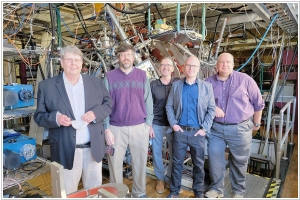
Commonwealth Fusion Systems is collaborating with MIT to create SPARC - the world's first fusion device that produces plasma that generates more energy than consumes. This compact, high-field tokamak will be built using high-temperature superconducting (HTS) magnets. CFS technology uses the new superconductor Rare Earth Barium Copper Oxide (REBCO) to produce the most powerful and most compact fusion magnets. Once SPARC is built, the company plans to build the world's first fusion power plant capable of generating hundreds of megawatts of power. CFS research is funded by the U.S. Department of Energy.
Commonwealth Fusion Systems is collaborating with MIT to create SPARC - the world's first fusion device that produces plasma that generates more energy than consumes. This compact, high-field tokamak will be built using high-temperature superconducting (HTS) magnets. CFS technology uses the new superconductor Rare Earth Barium Copper Oxide (REBCO) to produce the most powerful and most compact fusion magnets. Once SPARC is built, the company plans to build the world's first fusion power plant capable of generating hundreds of megawatts of power. CFS research is funded by the U.S. Department of Energy.
2
Country: China
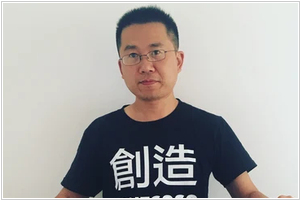
LinkSolar designs and delivers solar panels, mounting hardware, and accessories built for real-world applications. From compact mini panels for IoT devices to flexible panels for curved surfaces, every product is engineered for durability, efficiency, and easy installation. It works with in-house engineers and long-term manufacturing partners to develop, assemble, and supply solar modules tailored to specialized power needs.
LinkSolar designs and delivers solar panels, mounting hardware, and accessories built for real-world applications. From compact mini panels for IoT devices to flexible panels for curved surfaces, every product is engineered for durability, efficiency, and easy installation. It works with in-house engineers and long-term manufacturing partners to develop, assemble, and supply solar modules tailored to specialized power needs.
3

Country: USA | Funding: $60K
Petra Power sells solid oxide fuel cells — ceramic devices that convert fuel, like natural gas, into electric power without burning it. The company markets them as a more efficient and environmentally friendly way to operate data centers and large vehicles. The startup says its fuel cells are super efficient and cut fuel costs during a time when the tech industry can’t get enough electricity.
Petra Power sells solid oxide fuel cells — ceramic devices that convert fuel, like natural gas, into electric power without burning it. The company markets them as a more efficient and environmentally friendly way to operate data centers and large vehicles. The startup says its fuel cells are super efficient and cut fuel costs during a time when the tech industry can’t get enough electricity.
4
Country: Austria | Funding: $23.6M
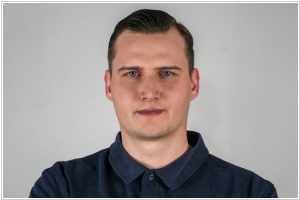
Reps is a company that converts vehicle motion in road infrastructure into electricity.
Reps is a company that converts vehicle motion in road infrastructure into electricity.
5

Country: Belgium | Funding: $4.6M
NOX Energy builds smart energy software connecting homes to power markets, cutting costs and boosting grid flexibility.
NOX Energy builds smart energy software connecting homes to power markets, cutting costs and boosting grid flexibility.
6
Country: USA | Funding: $100M
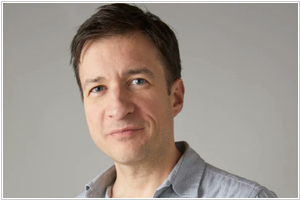
Parallel develops autonomous, battery-electric rail vehicles to convert freight from truck to rail. Its technology enables railroads to serve new markets, decongest highways, and reduce shipping costs and pollution.
Parallel develops autonomous, battery-electric rail vehicles to convert freight from truck to rail. Its technology enables railroads to serve new markets, decongest highways, and reduce shipping costs and pollution.
7

Country: USA | Funding: $370.5M
Type One Energy uses an enhanced version of a 1957 experimental Stellarator invented by US scientist Lyman Spitzer. The co-founders of Type One Energy built the world’s first optimized stellarator at the University of Wisconsin-Madison in the 1990s and conducted foundational stellarator research on it in the early 2000s. Using non-planar, high temperature superconducting magnets to optimize plasma flow, Type One Energy can surpass all fundamental technical barriers to achieving fusion energy at commercial scale. The company is building Infinity One prototype together with the 400 MWe Infinity Two fusion power plant. It plans to buildthe first power plant by 2034
Type One Energy uses an enhanced version of a 1957 experimental Stellarator invented by US scientist Lyman Spitzer. The co-founders of Type One Energy built the world’s first optimized stellarator at the University of Wisconsin-Madison in the 1990s and conducted foundational stellarator research on it in the early 2000s. Using non-planar, high temperature superconducting magnets to optimize plasma flow, Type One Energy can surpass all fundamental technical barriers to achieving fusion energy at commercial scale. The company is building Infinity One prototype together with the 400 MWe Infinity Two fusion power plant. It plans to buildthe first power plant by 2034
8
Country: Switzerland
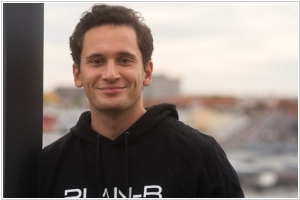
PLAN-B NET ZERO is a digital electricity provider headquartered in Zug, Switzerland, led by founder and CEO Bradley Mundt. The company is building Neo Energy, a new category in the European energy market that combines clean energy with digital intelligence, data transparency and connected services. PLAN-B NET ZERO supplies households and businesses in Germany with 100% ok-power-plus certified renewable electricity from European solar, hydro and wind sources on fair fixed-price tariffs, managed through the PLAN-B Neo app. It operates in Germany through PLAN-B NET ZERO ENERGY GmbH, based in Mühlheim am Main. Since its repositioning in 2023, the platform has grown to around 115,000 users as of 30 June 2026, roughly half of them electricity customers, and annual recurring revenue of more than €60 million.
PLAN-B NET ZERO is a digital electricity provider headquartered in Zug, Switzerland, led by founder and CEO Bradley Mundt. The company is building Neo Energy, a new category in the European energy market that combines clean energy with digital intelligence, data transparency and connected services. PLAN-B NET ZERO supplies households and businesses in Germany with 100% ok-power-plus certified renewable electricity from European solar, hydro and wind sources on fair fixed-price tariffs, managed through the PLAN-B Neo app. It operates in Germany through PLAN-B NET ZERO ENERGY GmbH, based in Mühlheim am Main. Since its repositioning in 2023, the platform has grown to around 115,000 users as of 30 June 2026, roughly half of them electricity customers, and annual recurring revenue of more than €60 million.
9
Country: USA | Funding: $3.5M
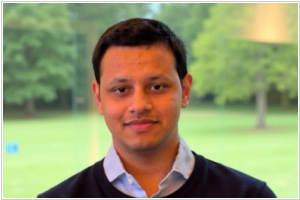
Shatterdome Energy operates as a financial infrastructure layer for the modern energy and power sectors.
Shatterdome Energy operates as a financial infrastructure layer for the modern energy and power sectors.
10

Country: USA | Funding: $530.5M
Boston Metal is a metals production company that develops an electric-powered tech to decarbonize steelmaking and metal production.
Boston Metal is a metals production company that develops an electric-powered tech to decarbonize steelmaking and metal production.