Top 100 Green Energy startups in USA
1
Funding: $100M
Parallel develops autonomous, battery-electric rail vehicles to convert freight from truck to rail. Its technology enables railroads to serve new markets, decongest highways, and reduce shipping costs and pollution.
Parallel develops autonomous, battery-electric rail vehicles to convert freight from truck to rail. Its technology enables railroads to serve new markets, decongest highways, and reduce shipping costs and pollution.
2

Funding: $50.3M
Rune Energy manufactures and operates modular AI data centers that use power electronics to connect to clean energy assets.
Rune Energy manufactures and operates modular AI data centers that use power electronics to connect to clean energy assets.
3
Funding: $7M
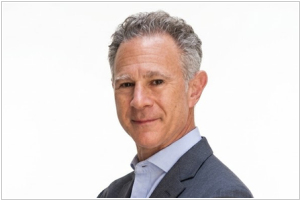
Fluxnium intends to extract uranium from seawater. Its technology uses specially made polymer fibers that attract the uranium that’s dissolved in seawater. The company licensed the chemistry from the DOE, and it has continued to work on the production and configuration of the fibers themselves. When the technology was demonstrated at a national lab, it could extract uranium at more than $200 per pound, which is more than twice the price of Western suppliers today. But by increasing the surface area, Fluxnium has been able to draw more uranium out of the water, bringing costs down.
Fluxnium intends to extract uranium from seawater. Its technology uses specially made polymer fibers that attract the uranium that’s dissolved in seawater. The company licensed the chemistry from the DOE, and it has continued to work on the production and configuration of the fibers themselves. When the technology was demonstrated at a national lab, it could extract uranium at more than $200 per pound, which is more than twice the price of Western suppliers today. But by increasing the surface area, Fluxnium has been able to draw more uranium out of the water, bringing costs down.
4
Funding: $3.5M
Shatterdome Energy operates as a financial infrastructure layer for the modern energy and power sectors.
Shatterdome Energy operates as a financial infrastructure layer for the modern energy and power sectors.
5
Funding: $2.5M
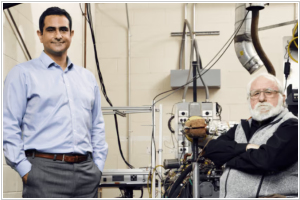
Emvolon develops modular, skidded engine-as-reactor that converts stranded methane into liquid methanol right at the source, then collects it at a central facility for storage and sale. The system scales to size by stacking units in parallel and powers itself with residual gas, ready to optimize gas flows without any grid connection. The same engine-as-reactor core can be tuned to produce a portfolio of high-value molecules, responding to shifting energy markets as they expand.
Emvolon develops modular, skidded engine-as-reactor that converts stranded methane into liquid methanol right at the source, then collects it at a central facility for storage and sale. The system scales to size by stacking units in parallel and powers itself with residual gas, ready to optimize gas flows without any grid connection. The same engine-as-reactor core can be tuned to produce a portfolio of high-value molecules, responding to shifting energy markets as they expand.
6
Funding: $46M
Light enables businesses to offer customers bespoke, branded retail electricity plans
Light enables businesses to offer customers bespoke, branded retail electricity plans
7

Funding: $16M
Lazarus Energy builds modular supercritical CO₂ turbine generators that turn any heat source — gas, nuclear, geothermal — into clean, dispatchable electricity for data centers.
Lazarus Energy builds modular supercritical CO₂ turbine generators that turn any heat source — gas, nuclear, geothermal — into clean, dispatchable electricity for data centers.
8

Funding: $77.3M
Star Catcher is creating the first space power grid - an orbital power transmission system designed for wireless optical (laser) power transmission to satellites and spacecraft. This grid could reduce the need for larger onboard solar arrays and batteries, extend mission life, and enable more energy-intensive applications in orbit. Star Catcher's laser receivers are small and lightweight, and can be installed without major modifications to the satellite's structure. The company has already completed an in-orbit demonstration of the subsystem and, according to the company, set a world record for optical power transmission.
Star Catcher is creating the first space power grid - an orbital power transmission system designed for wireless optical (laser) power transmission to satellites and spacecraft. This grid could reduce the need for larger onboard solar arrays and batteries, extend mission life, and enable more energy-intensive applications in orbit. Star Catcher's laser receivers are small and lightweight, and can be installed without major modifications to the satellite's structure. The company has already completed an in-orbit demonstration of the subsystem and, according to the company, set a world record for optical power transmission.
9

Funding: $48M
Voya is developing technology that allows to convert recycled metals into a powerful, safe and durable fuel. The company is also creating a new category of energy generation devices that are independent of traditional grid infrastructure. The startup claims that their system will enable energy delivery to any point on Earth with unprecedented speed and flexibility.
Voya is developing technology that allows to convert recycled metals into a powerful, safe and durable fuel. The company is also creating a new category of energy generation devices that are independent of traditional grid infrastructure. The startup claims that their system will enable energy delivery to any point on Earth with unprecedented speed and flexibility.
10
Funding: $6M
Teragen Energy develops regenerative fuel cell system that’s cleaner and cheaper to manufacture than a gas turbine, produces negligible air pollution, and can run on natural gas with a path to clean hydrogen down the road.
Teragen Energy develops regenerative fuel cell system that’s cleaner and cheaper to manufacture than a gas turbine, produces negligible air pollution, and can run on natural gas with a path to clean hydrogen down the road.
11

Funding: $5M
Grounded builds highly reliable, fully electric recreational vehicles for self-sustainability on the road.
Grounded builds highly reliable, fully electric recreational vehicles for self-sustainability on the road.
12
Funding: $2.3B
Base Power manufactures and installs large home batteries up to 40 kWh, providing 36 hours of backup power. Batteries help save on electricity costs while supporting the grid. The battery charges when energy is cheapest - at night. During peak demand, the Base battery network helps balance city grid by acting as an energy supplier. Base's AI system monitors weather and predicts power outages to protect the entire grid. It also remotely monitor battery's breaks. Homeowners can also control the battery using a mobile app. Base Power says it has grown its battery fleet to more than 500 megawatt hours in Texas and Illinois.
Base Power manufactures and installs large home batteries up to 40 kWh, providing 36 hours of backup power. Batteries help save on electricity costs while supporting the grid. The battery charges when energy is cheapest - at night. During peak demand, the Base battery network helps balance city grid by acting as an energy supplier. Base's AI system monitors weather and predicts power outages to protect the entire grid. It also remotely monitor battery's breaks. Homeowners can also control the battery using a mobile app. Base Power says it has grown its battery fleet to more than 500 megawatt hours in Texas and Illinois.
13

Funding: $370.5M
Type One Energy uses an enhanced version of a 1957 experimental Stellarator invented by US scientist Lyman Spitzer. The co-founders of Type One Energy built the world’s first optimized stellarator at the University of Wisconsin-Madison in the 1990s and conducted foundational stellarator research on it in the early 2000s. Using non-planar, high temperature superconducting magnets to optimize plasma flow, Type One Energy can surpass all fundamental technical barriers to achieving fusion energy at commercial scale. The company is building Infinity One prototype together with the 400 MWe Infinity Two fusion power plant. It plans to buildthe first power plant by 2034
Type One Energy uses an enhanced version of a 1957 experimental Stellarator invented by US scientist Lyman Spitzer. The co-founders of Type One Energy built the world’s first optimized stellarator at the University of Wisconsin-Madison in the 1990s and conducted foundational stellarator research on it in the early 2000s. Using non-planar, high temperature superconducting magnets to optimize plasma flow, Type One Energy can surpass all fundamental technical barriers to achieving fusion energy at commercial scale. The company is building Infinity One prototype together with the 400 MWe Infinity Two fusion power plant. It plans to buildthe first power plant by 2034
14

Funding: $27M
TAR is a energy startup aiming to make data center power more efficient. It's building modular, scalable, behind-the-meter energy systems consisting of solar, batteries, wind energy and (for emergencies / long periods of unfavorable weather conditions) simple cycle gas turbines
TAR is a energy startup aiming to make data center power more efficient. It's building modular, scalable, behind-the-meter energy systems consisting of solar, batteries, wind energy and (for emergencies / long periods of unfavorable weather conditions) simple cycle gas turbines
15
Funding: $13.1M
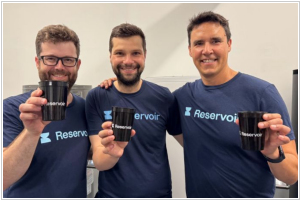
Reservoir provides smart heat pump water heaters with connected energy management and thermal storage. But predicting when people will need hot water, the system can heat the tank when electricity demand is low and prices are cheap. Plus, the device’s heat pump is nearly four times more efficient than an electric water heater and five times more efficient than a natural gas version. The system can also relieve strain on the grid at the neighborhood level - aggregate the fleet of water heaters to participate in utility demand response programs, which pay handsomely for large users to avoid tapping the grid at certain times.
Reservoir provides smart heat pump water heaters with connected energy management and thermal storage. But predicting when people will need hot water, the system can heat the tank when electricity demand is low and prices are cheap. Plus, the device’s heat pump is nearly four times more efficient than an electric water heater and five times more efficient than a natural gas version. The system can also relieve strain on the grid at the neighborhood level - aggregate the fleet of water heaters to participate in utility demand response programs, which pay handsomely for large users to avoid tapping the grid at certain times.
16

Funding: $530.5M
Boston Metal is a metals production company that develops an electric-powered tech to decarbonize steelmaking and metal production.
Boston Metal is a metals production company that develops an electric-powered tech to decarbonize steelmaking and metal production.
17

Funding: $66.1M
Voltus is a virtual power plant operator that pays energy users to conserve or shift electricity use in response to grid signals. These signals can be triggered by a lack of energy supply (from heat waves, storms, downed power plants, renewable energy variability), high prices, high emissions on the grid, or other reasons. Demand response can also generate value for energy users in the form of electricity bill savings when leveraged to actively avoid demand charges. Demand response serves as a lifeline for grid operators and utilities to prevent blackouts or shut offs which can be extremely disruptive, even deadly, to businesses and residents.
Voltus is a virtual power plant operator that pays energy users to conserve or shift electricity use in response to grid signals. These signals can be triggered by a lack of energy supply (from heat waves, storms, downed power plants, renewable energy variability), high prices, high emissions on the grid, or other reasons. Demand response can also generate value for energy users in the form of electricity bill savings when leveraged to actively avoid demand charges. Demand response serves as a lifeline for grid operators and utilities to prevent blackouts or shut offs which can be extremely disruptive, even deadly, to businesses and residents.
18

Funding: $6.1B
VoltaGrid is an energy management and generation company that operates the largest natural gas trucking business in North America. It provides fuel; portable power generation to address temporary or remote energy needs; and stationary, grid-parallel systems to supply consistent, reliable power to data centers and large-scale facilities. By using its vast trucking network, VoltaGrid supplies cleaner-burning natural gas, helping clients lower their carbon footprint and shift to sustainable energy.
VoltaGrid is an energy management and generation company that operates the largest natural gas trucking business in North America. It provides fuel; portable power generation to address temporary or remote energy needs; and stationary, grid-parallel systems to supply consistent, reliable power to data centers and large-scale facilities. By using its vast trucking network, VoltaGrid supplies cleaner-burning natural gas, helping clients lower their carbon footprint and shift to sustainable energy.
19

Funding: $4.9B
Recurrent Energy, a subsidiary of Canadian Solar Inc. (global renewable energy company) that is building one of the world's largest and most geographically diversified platforms for developing, owning and operating solar and energy storage projects. It is a leading global developer, owner and operator of solar and energy storage systems, with over 14 GW of project capacity under long-term operation and maintenance agreements.
Recurrent Energy, a subsidiary of Canadian Solar Inc. (global renewable energy company) that is building one of the world's largest and most geographically diversified platforms for developing, owning and operating solar and energy storage projects. It is a leading global developer, owner and operator of solar and energy storage systems, with over 14 GW of project capacity under long-term operation and maintenance agreements.
20

Funding: $4.9B
Redwood Materials is a leading battery and electronics recycling company. Founded by Tesla co-founder JB Straubel, the company's primary business is electric vehicle battery recycling. But in addition to car batteries, it recycles phones, laptops, tablets, power tools and any other lithium-ion-containing devices - to recover critical minerals such as lithium, nickel, cobalt, and copper. The company also uses old batteries to create own energy storage systems that supply electricity to data centers and the national power grid. The company also offers the creation of corporate and municipal energy storages. Thanks to using the most affordable domestic batteries, combining used and new batteries and simplifying installation and system design, it offers the most cost-effective energy storage systems on the market.
Redwood Materials is a leading battery and electronics recycling company. Founded by Tesla co-founder JB Straubel, the company's primary business is electric vehicle battery recycling. But in addition to car batteries, it recycles phones, laptops, tablets, power tools and any other lithium-ion-containing devices - to recover critical minerals such as lithium, nickel, cobalt, and copper. The company also uses old batteries to create own energy storage systems that supply electricity to data centers and the national power grid. The company also offers the creation of corporate and municipal energy storages. Thanks to using the most affordable domestic batteries, combining used and new batteries and simplifying installation and system design, it offers the most cost-effective energy storage systems on the market.
21

Funding: $4.8B
Bloom Energy creates fuel-cell systems for local power generation that can utilize a wide range of resources to generate electricity. Bloom Energy Server can use natural gas, biogas and hydrogen as fuel without combustion and is scalable to tens of megawatts. Installation and commissioning of the server can be completed in as little as three months. These servers are often used to power enterprise buildings and data centers. The company has developed proprietary solid oxide fuel cell technology that ensures low CO2 emissions. Bloom Energy also has its own hydrogen production facility at the world's largest solid oxide electrolyzer plant at NASA's Ames Research Center in Mountain View. The company syas, that this high-temperature plant produces 20-25% more hydrogen per MW than commercially demonstrated low-temperature electrolyzers.
Bloom Energy creates fuel-cell systems for local power generation that can utilize a wide range of resources to generate electricity. Bloom Energy Server can use natural gas, biogas and hydrogen as fuel without combustion and is scalable to tens of megawatts. Installation and commissioning of the server can be completed in as little as three months. These servers are often used to power enterprise buildings and data centers. The company has developed proprietary solid oxide fuel cell technology that ensures low CO2 emissions. Bloom Energy also has its own hydrogen production facility at the world's largest solid oxide electrolyzer plant at NASA's Ames Research Center in Mountain View. The company syas, that this high-temperature plant produces 20-25% more hydrogen per MW than commercially demonstrated low-temperature electrolyzers.
22
Funding: $4.2B
Crusoe designs, builds, and operates the full infrastructure data centers for artificial intelligence, positioning itself as an AI factory company. The company’s vertically integrated model spans from power sourcing, which includes wind, solar, geothermal, and converting otherwise wasted gas into electricity, to operating large-scale, modular AI data center infrastructure.
Crusoe designs, builds, and operates the full infrastructure data centers for artificial intelligence, positioning itself as an AI factory company. The company’s vertically integrated model spans from power sourcing, which includes wind, solar, geothermal, and converting otherwise wasted gas into electricity, to operating large-scale, modular AI data center infrastructure.
23

Funding: $3.5B
Archer is an aerospace company that developed an electric vertical takeoff and landing aircraft tailored for urban air mobility systems.
Archer is an aerospace company that developed an electric vertical takeoff and landing aircraft tailored for urban air mobility systems.
24

Funding: $3.2B
Sunnova provides low-cost solar power to homes. It owns the equipment, installs it, and also eventually sells the electricity it creates to customers.
Sunnova provides low-cost solar power to homes. It owns the equipment, installs it, and also eventually sells the electricity it creates to customers.
25

Funding: $2.9B
Commonwealth Fusion Systems is collaborating with MIT to create SPARC - the world's first fusion device that produces plasma that generates more energy than consumes. This compact, high-field tokamak will be built using high-temperature superconducting (HTS) magnets. CFS technology uses the new superconductor Rare Earth Barium Copper Oxide (REBCO) to produce the most powerful and most compact fusion magnets. Once SPARC is built, the company plans to build the world's first fusion power plant capable of generating hundreds of megawatts of power. CFS research is funded by the U.S. Department of Energy.
Commonwealth Fusion Systems is collaborating with MIT to create SPARC - the world's first fusion device that produces plasma that generates more energy than consumes. This compact, high-field tokamak will be built using high-temperature superconducting (HTS) magnets. CFS technology uses the new superconductor Rare Earth Barium Copper Oxide (REBCO) to produce the most powerful and most compact fusion magnets. Once SPARC is built, the company plans to build the world's first fusion power plant capable of generating hundreds of megawatts of power. CFS research is funded by the U.S. Department of Energy.
26

Funding: $2.9B
Eos produces zinc-based battery energy storage systems. The company's technology overcomes the limitations of traditional lithium-ion batteries paovides discharge time from 3 to 12 hours. The Eos Z3 zinc-based wet battery module includes zinc cathode, aqueous electrolyte, bipolar electrodes and polymer housing. The electrodes offer high mechanical strength, corrosion resistance and chemical stability, ensuring years of operation with virtually no degradation. Furthermore, the bipolar structure simplifies the battery's internal connections, reducing internal resistance and increasing energy conversion efficiency. The company is also developing a software platform for managing the energy storage system, which implements real-time intelligence, advanced control capabilities and AI-based analytics.
Eos produces zinc-based battery energy storage systems. The company's technology overcomes the limitations of traditional lithium-ion batteries paovides discharge time from 3 to 12 hours. The Eos Z3 zinc-based wet battery module includes zinc cathode, aqueous electrolyte, bipolar electrodes and polymer housing. The electrodes offer high mechanical strength, corrosion resistance and chemical stability, ensuring years of operation with virtually no degradation. Furthermore, the bipolar structure simplifies the battery's internal connections, reducing internal resistance and increasing energy conversion efficiency. The company is also developing a software platform for managing the energy storage system, which implements real-time intelligence, advanced control capabilities and AI-based analytics.
27

Funding: $2.4B
Nexamp is bringing clean energy to homeowners and communities everywhere, and helping them save up to 10% on electricity costs without installing rooftop solar panels.
Nexamp is bringing clean energy to homeowners and communities everywhere, and helping them save up to 10% on electricity costs without installing rooftop solar panels.
28

Funding: $2.3B
Form Energy develops and manufactures multi-day energy storage systems based on iron-air batteries. These batteries are capable cost-effectively store energy for 100 consecutive hours (unlike lithium-ion batteries, which can only provide energy for a few hours). The batteries are made from safe, inexpensive and abundant materials: iron, water and air. Form Energy operates its own large-scale battery manufacturing facility in West Virginia. The company also develops software for modeling renewable energy systems that take into account modern energy market.
Form Energy develops and manufactures multi-day energy storage systems based on iron-air batteries. These batteries are capable cost-effectively store energy for 100 consecutive hours (unlike lithium-ion batteries, which can only provide energy for a few hours). The batteries are made from safe, inexpensive and abundant materials: iron, water and air. Form Energy operates its own large-scale battery manufacturing facility in West Virginia. The company also develops software for modeling renewable energy systems that take into account modern energy market.

30

Funding: $2.1B
Silicon Ranch developer, owner and operator of solar energy facilities in US.
Silicon Ranch developer, owner and operator of solar energy facilities in US.
31

Funding: $2B
Pine Gate Renewables is a U.S. developer of 2-25 MW utility-scale solar farms.
Pine Gate Renewables is a U.S. developer of 2-25 MW utility-scale solar farms.
32

Funding: $1.8B
EVgo is one of the largest and most advanced electric vehicle fast charging networks in the US, offering over 1,100 industrial-strength fast charging stations. EVgo chargers are compatible with all fast-charging-capable electric vehicles. The company serves electric vehicle drivers, business owners, automakers, self-driving car companies and rideshare drivers. EVgo offers a user-friendly app for drivers, allowing to search for nearby charging stations, track charging sessions, view session summary and ensure safe charging with Autocharge+. Businesses can host an EV fast charging station for their customers. EVgo manages the entire process, from permitting and installation to maintenance and advanced customer service. Turnkey fast charging is available with no upfront or maintenance costs. Acquired by LS Power
EVgo is one of the largest and most advanced electric vehicle fast charging networks in the US, offering over 1,100 industrial-strength fast charging stations. EVgo chargers are compatible with all fast-charging-capable electric vehicles. The company serves electric vehicle drivers, business owners, automakers, self-driving car companies and rideshare drivers. EVgo offers a user-friendly app for drivers, allowing to search for nearby charging stations, track charging sessions, view session summary and ensure safe charging with Autocharge+. Businesses can host an EV fast charging station for their customers. EVgo manages the entire process, from permitting and installation to maintenance and advanced customer service. Turnkey fast charging is available with no upfront or maintenance costs. Acquired by LS Power
33

Funding: $1.8B
energyRe is at the forefront of North America's energy transition. Building and delivering reliable clean power directly to where people live is not only our opportunity—it is our responsibility.
energyRe is at the forefront of North America's energy transition. Building and delivering reliable clean power directly to where people live is not only our opportunity—it is our responsibility.
34
Funding: $1.8B
Beta Technologies manufactures electric vertical takeoff, landing eVTOL aircraft, and recharging pad systems.
Beta Technologies manufactures electric vertical takeoff, landing eVTOL aircraft, and recharging pad systems.
35

Funding: $1.7B
Sila Nanotechnologies is a provider and manufacturer of revolutionary car batteries.
Sila Nanotechnologies is a provider and manufacturer of revolutionary car batteries.
36
Funding: $1.7B
X-energy produces the Xe-100 - small modular nuclear reactor. It is a fourth-generation, 80-megawatt high-temperature gas-cooled reactor (HTGR), boasting (according to the company) high stability, efficiency, reliability and safety. The reactor can be scaled into 4-pack power plant thanks to its modular design. Its construction maximizes the use of off-the-shelf components, that can be delivered to the site using existing road and rail routes. The reactor does not rely on any active systems, electrical power or human intervention for safety, i.e. it shuts down and dissipates heat passively (as a result of the low power density). X-energy also produces TRISO-X fuel, which can withstand extreme temperatures. The company also aims to produce power systems for lunar bases.
X-energy produces the Xe-100 - small modular nuclear reactor. It is a fourth-generation, 80-megawatt high-temperature gas-cooled reactor (HTGR), boasting (according to the company) high stability, efficiency, reliability and safety. The reactor can be scaled into 4-pack power plant thanks to its modular design. Its construction maximizes the use of off-the-shelf components, that can be delivered to the site using existing road and rail routes. The reactor does not rely on any active systems, electrical power or human intervention for safety, i.e. it shuts down and dissipates heat passively (as a result of the low power density). X-energy also produces TRISO-X fuel, which can withstand extreme temperatures. The company also aims to produce power systems for lunar bases.
37

Funding: $1.7B
Redaptive is an Energy-as-a-Service provider that funds and installs energy-saving and energy-generating equipment and manages energy use in buildings.
Redaptive is an Energy-as-a-Service provider that funds and installs energy-saving and energy-generating equipment and manages energy use in buildings.
38

Funding: $1.6B
Bright Night provides renewable power solutions in a safe and reliable way.
Bright Night provides renewable power solutions in a safe and reliable way.
39

Funding: $1.5B
Fervo Energy is developing proprietary technology for developing and operating geothermal assets. Like its main competitors, Fervo uses hydraulic fracturing and directional drilling techniques borrowed from the oil and gas industry. However, Fervo can drill faster and deeper than existing geothermal developers to exploit hotter rocks and generate more energy at a lower cost. The startup is completing construction of its first large-scale power plant and has begun developing several other sites in the western US, where hot rocks are closer to the surface. Among its key investors is Google, which views geothermal energy as a potential solution for its data centers.
Fervo Energy is developing proprietary technology for developing and operating geothermal assets. Like its main competitors, Fervo uses hydraulic fracturing and directional drilling techniques borrowed from the oil and gas industry. However, Fervo can drill faster and deeper than existing geothermal developers to exploit hotter rocks and generate more energy at a lower cost. The startup is completing construction of its first large-scale power plant and has begun developing several other sites in the western US, where hot rocks are closer to the surface. Among its key investors is Google, which views geothermal energy as a potential solution for its data centers.
40

Funding: $1.5B
TAE Technologies is on a course to commercial fusion energy. It's fusion machine design is compact and linear so a commercial fusion power plant would be easily expandable for mass manufacturing. TAE is pursuing fusion with hydrogen-boron (a.k.a. p-B11 or p11B) because it is plentiful and radiation-free, making it the most sustainable option for running and maintaining commercial fusion power plants. TAE’s method to generate fusion power is called Advanced beam-driven Field-Reversed Configuration (FRC). All together, TAE’s approach to fusion can deliver a affordable product that has high energy density, high availability of fuel and no risk of pollution, proliferation, breakdown or toxic waste, making it the ultimate clean energy source.
TAE Technologies is on a course to commercial fusion energy. It's fusion machine design is compact and linear so a commercial fusion power plant would be easily expandable for mass manufacturing. TAE is pursuing fusion with hydrogen-boron (a.k.a. p-B11 or p11B) because it is plentiful and radiation-free, making it the most sustainable option for running and maintaining commercial fusion power plants. TAE’s method to generate fusion power is called Advanced beam-driven Field-Reversed Configuration (FRC). All together, TAE’s approach to fusion can deliver a affordable product that has high energy density, high availability of fuel and no risk of pollution, proliferation, breakdown or toxic waste, making it the ultimate clean energy source.
41
Funding: $1.5B
Qcells is a utility-scale solar developer, energy storage developer, and solar EPC provider.
Qcells is a utility-scale solar developer, energy storage developer, and solar EPC provider.
42

Funding: $1.5B
QuantumScape is a renewable energy company that develops solid-state battery technology to increase the range of electric cars.
QuantumScape is a renewable energy company that develops solid-state battery technology to increase the range of electric cars.
43

Funding: $1.5B
Helion Energy uses fusion energy to provide pure, safe electricity. Helion's fusion generator elevates fusion (Deuterium and helium-3) fuel to ultra-high temperatures to achieve plasma conditions and directly obtains electricity with a high-efficiency pulsed approach. Magnets confine the plasma in a Field Reversed Configuration and speed up two FRCs to 1 million mph from opposite ends of the generator. When the FRCs collide in the center of the system, they are further compressed by a strong magnetic field until they reach fusion temperatures greater than 100M degrees Celsius (150M already achieved). At this temperature, the deuterium and helium-3 ions are moving fast enough to surpass the forces that would otherwise keep them apart, and they fuse. This emits more energy than is consumed by the fusion process.
Helion Energy uses fusion energy to provide pure, safe electricity. Helion's fusion generator elevates fusion (Deuterium and helium-3) fuel to ultra-high temperatures to achieve plasma conditions and directly obtains electricity with a high-efficiency pulsed approach. Magnets confine the plasma in a Field Reversed Configuration and speed up two FRCs to 1 million mph from opposite ends of the generator. When the FRCs collide in the center of the system, they are further compressed by a strong magnetic field until they reach fusion temperatures greater than 100M degrees Celsius (150M already achieved). At this temperature, the deuterium and helium-3 ions are moving fast enough to surpass the forces that would otherwise keep them apart, and they fuse. This emits more energy than is consumed by the fusion process.
44

Funding: $1.5B
TerraPower is developing compact modular nuclear reactors with a closed fuel cycle. Its goal is to make nuclear energy safer and cheaper, while also minimizing radioactive waste. It was co-founded by Bill Gates and partners with GE Hitachi Nuclear Energy. Its fast-neutron reactor Natrium has capacity up to 345 MW and includes molten salt heat storage system. Its advantage is its flexible power output, allowing it to respond to fluctuating demand when combined with renewable energy sources. To ramp quickly, it doesn’t increase or decrease the power output - the extra heat gets stored in a giant vat of molten salt. It uses liquid sodium as a coolant and highly enriched uranium (HALEU) as fuel (for now the company is experiencing supply issues). The demonstration reactor project is expected to be operational by 2030.
TerraPower is developing compact modular nuclear reactors with a closed fuel cycle. Its goal is to make nuclear energy safer and cheaper, while also minimizing radioactive waste. It was co-founded by Bill Gates and partners with GE Hitachi Nuclear Energy. Its fast-neutron reactor Natrium has capacity up to 345 MW and includes molten salt heat storage system. Its advantage is its flexible power output, allowing it to respond to fluctuating demand when combined with renewable energy sources. To ramp quickly, it doesn’t increase or decrease the power output - the extra heat gets stored in a giant vat of molten salt. It uses liquid sodium as a coolant and highly enriched uranium (HALEU) as fuel (for now the company is experiencing supply issues). The demonstration reactor project is expected to be operational by 2030.
45

Funding: $1.4B
Oklo is building a container-sized, continuously operating, carbon-free and emissions-free fast reactor Aurora. It uses liquid metal coolant and generates up to 75 MW, features built-in safety and can run on reprocessed nuclear waste. The reactor is self-stabilizing, self-regulating and cooled by natural forces. This means the plant is safe for personnel and the technology that enables this has been demonstrated at scale. Oklo also reprocesses nuclear fuel. The company has three project sites and the broadest regulatory support of any modern nuclear power system in the United States. OpenAI co-founder Sam Altman is the primary investor and even served as an early Oklo CEO.
Oklo is building a container-sized, continuously operating, carbon-free and emissions-free fast reactor Aurora. It uses liquid metal coolant and generates up to 75 MW, features built-in safety and can run on reprocessed nuclear waste. The reactor is self-stabilizing, self-regulating and cooled by natural forces. This means the plant is safe for personnel and the technology that enables this has been demonstrated at scale. Oklo also reprocesses nuclear fuel. The company has three project sites and the broadest regulatory support of any modern nuclear power system in the United States. OpenAI co-founder Sam Altman is the primary investor and even served as an early Oklo CEO.

47

Funding: $1.2B
Group14 Technologies produces silicon-carbon composite materials for lithium-ion batteries (an alternative to graphite). Its flagship silicon battery material, SCC55, allows batteries to charge in minutes, withstand extreme charge-discharge cycles and last up to 50% longer than traditional lithium-ion batteries. It is used in smartphones, electric vehicle batteries and vertical takeoff and landing aircraft. The company has factories in South Korea, Germany and the United States and manages a global battery supply chain.
Group14 Technologies produces silicon-carbon composite materials for lithium-ion batteries (an alternative to graphite). Its flagship silicon battery material, SCC55, allows batteries to charge in minutes, withstand extreme charge-discharge cycles and last up to 50% longer than traditional lithium-ion batteries. It is used in smartphones, electric vehicle batteries and vertical takeoff and landing aircraft. The company has factories in South Korea, Germany and the United States and manages a global battery supply chain.
48

Funding: $1.2B
TeraWatt Infrastructure operates an electric vehicle charging infrastructure for medium and heavy-duty transport and fleets.
TeraWatt Infrastructure operates an electric vehicle charging infrastructure for medium and heavy-duty transport and fleets.
49
Funding: $1.2B
Nextracker creates smart solartracker solutions that improve the performance of solar PV plants.
Nextracker creates smart solartracker solutions that improve the performance of solar PV plants.
50

Funding: $1.1B
Longroad Energy builds and acquires wind and solar power plants in USA. The company operates over 75 large-scale projects of approximately 25 GW, including remote monitoring, asset management, on-site technical support and full back-office support. Its real estate and development experts acquire leases, options, easements, mineral rights and title insurance necessary for the construction and operation of solar, wind, and energy storage farms.
Longroad Energy builds and acquires wind and solar power plants in USA. The company operates over 75 large-scale projects of approximately 25 GW, including remote monitoring, asset management, on-site technical support and full back-office support. Its real estate and development experts acquire leases, options, easements, mineral rights and title insurance necessary for the construction and operation of solar, wind, and energy storage farms.