1

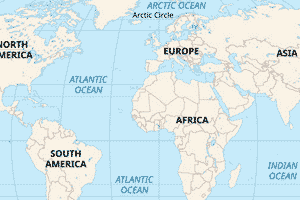
Country: Sweden | Funding: $23.6M
SaltX Technology has developed an electric CO2 separation technology for direct CO2 capture from air in high-temperature industries, including quicklime and cement production. This electric calcination technology uses electric plasma to replace fossil-driven heating with renewable electricity. The mineral solution used in direct carbon dioxide capture (DAC) is carbonated after binding with CO2 from the air. This carbonate solution can be regenerated during the electric calcination process, separating and isolating the CO2 for further use or geological storage. The EAC (electric arc calciner) is adaptable to various industries. Through seamless integration into DAC systems it makes the release and collection of pure CO2 more efficient. The company has already launched a 1.4 MW pilot plant producing 17 tons of carbon per day.
SaltX Technology has developed an electric CO2 separation technology for direct CO2 capture from air in high-temperature industries, including quicklime and cement production. This electric calcination technology uses electric plasma to replace fossil-driven heating with renewable electricity. The mineral solution used in direct carbon dioxide capture (DAC) is carbonated after binding with CO2 from the air. This carbonate solution can be regenerated during the electric calcination process, separating and isolating the CO2 for further use or geological storage. The EAC (electric arc calciner) is adaptable to various industries. Through seamless integration into DAC systems it makes the release and collection of pure CO2 more efficient. The company has already launched a 1.4 MW pilot plant producing 17 tons of carbon per day.
2
Country: USA | Funding: $10M
Zero Industrial implements thermal energy storage projects for industrial heat and steam generation. The company offers a full range of project development services in the US and Canada, including technology selection, design and development of each thermal energy storage system. The company's TES systems can release the stored energy as electricity, heat, or steam at any temperature. Zero Industrial also fully finances each project and sells the clean heat or steam to its clients under a long-term "Heat as a Service" contract, eliminating the need for upfront capital investment.
Zero Industrial implements thermal energy storage projects for industrial heat and steam generation. The company offers a full range of project development services in the US and Canada, including technology selection, design and development of each thermal energy storage system. The company's TES systems can release the stored energy as electricity, heat, or steam at any temperature. Zero Industrial also fully finances each project and sells the clean heat or steam to its clients under a long-term "Heat as a Service" contract, eliminating the need for upfront capital investment.
3

Country: Germany | Funding: $4.3M
HyperHeat is developing the HyperHeat system, which utilizes renewable energy sources for high-temperature heating required in heavy industries such as steel production, cement and chemical processing. HyperHeat system is based on a low-cost industrial gas heater that utilizes oxide ceramics for ultra-high-temperature resistive heating. It can be installed in existing furnaces (instead of fossil-fuel burners) and achieve temperatures close to flame temperature - up to 2000°C. HyperHeat systems connect directly to standard industrial medium-voltage networks, scaling from hundreds of kilowatts to several megawatts, ensuring easy integration and maximum efficiency.
HyperHeat is developing the HyperHeat system, which utilizes renewable energy sources for high-temperature heating required in heavy industries such as steel production, cement and chemical processing. HyperHeat system is based on a low-cost industrial gas heater that utilizes oxide ceramics for ultra-high-temperature resistive heating. It can be installed in existing furnaces (instead of fossil-fuel burners) and achieve temperatures close to flame temperature - up to 2000°C. HyperHeat systems connect directly to standard industrial medium-voltage networks, scaling from hundreds of kilowatts to several megawatts, ensuring easy integration and maximum efficiency.
4

Country: France | Funding: €3M
EPYR creates industrial power systems that convert electricity from renewable energy sources into high-temperature heat. These are comprehensive solutions integrate equipment, intelligent energy management and financing. The Epyr system captures electricity from the grid at its lowest cost and converts it into heat using resistive heaters. Thermal energy is stored in high-efficiency refractory bricks and released as air or steam on demand for industrial processes. Thanks to fast and precise control, the system is easily integrated into production processes. Epyr also offers a "heat-as-a-service" model that requires no upfront capital investment - the company builds, owns and operates the system for an annual fee.
EPYR creates industrial power systems that convert electricity from renewable energy sources into high-temperature heat. These are comprehensive solutions integrate equipment, intelligent energy management and financing. The Epyr system captures electricity from the grid at its lowest cost and converts it into heat using resistive heaters. Thermal energy is stored in high-efficiency refractory bricks and released as air or steam on demand for industrial processes. Thanks to fast and precise control, the system is easily integrated into production processes. Epyr also offers a "heat-as-a-service" model that requires no upfront capital investment - the company builds, owns and operates the system for an annual fee.
5
Country: Canada
Kanin Energy implements waste heat-to-electricity and other decarbonization projects for heavy industry. The company designs, finances and operates these projects on a turnkey basis. Its waste heat recovery systems capture heat generated during industrial processes to generate electricity or thermal energy using various technologies: organic Rankine cycle (which converts thermal energy into mechanical work through the continuous evaporation and condensation of a circulating working fluid), steam Rankine cycle (similar to the organic Rankine cycle, but using steam as the working fluid), Brayton cycle (based on the supercritical compression/expansion of CO2), and Kalin cycle (using a binary mixture of two working fluids, typically water and ammonia).
Kanin Energy implements waste heat-to-electricity and other decarbonization projects for heavy industry. The company designs, finances and operates these projects on a turnkey basis. Its waste heat recovery systems capture heat generated during industrial processes to generate electricity or thermal energy using various technologies: organic Rankine cycle (which converts thermal energy into mechanical work through the continuous evaporation and condensation of a circulating working fluid), steam Rankine cycle (similar to the organic Rankine cycle, but using steam as the working fluid), Brayton cycle (based on the supercritical compression/expansion of CO2), and Kalin cycle (using a binary mixture of two working fluids, typically water and ammonia).
6

Country: USA
Calectra creates thermal batteries for heavy industry that provide high-temperature heating for industrial processes. The Calectra thermal battery can be installed in existing production facilities. It is charged with electricity during low-cost hours, 4 to 8 hours per day (electric current passes through a ceramic material, which converts electricity into heat at 1800°C and accumulates it). The battery stores heat for several days in ceramic blocks and releases it when needed: air or another gas passes through the battery, which is then fed into the process at a constant, selected temperature of up to 1600°C. Calectra can replace fossil fuel burners or operate in parallel with them for maximum flexibility and fuel reliability.
Calectra creates thermal batteries for heavy industry that provide high-temperature heating for industrial processes. The Calectra thermal battery can be installed in existing production facilities. It is charged with electricity during low-cost hours, 4 to 8 hours per day (electric current passes through a ceramic material, which converts electricity into heat at 1800°C and accumulates it). The battery stores heat for several days in ceramic blocks and releases it when needed: air or another gas passes through the battery, which is then fed into the process at a constant, selected temperature of up to 1600°C. Calectra can replace fossil fuel burners or operate in parallel with them for maximum flexibility and fuel reliability.