1

Country: France | Funding: €33M
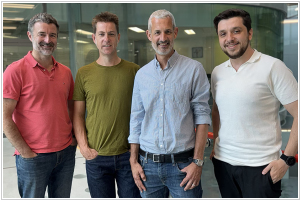
Stellaria is looking to develop an energy system based on the molten chloride fast reactor (MCFR) technology. It's a liquid-core 250 MWe reactor capable of renewing 100% of its fuel during operation, incinerating long-lived high-level waste and achieving revolutionary levels of intrinsic safety. Its low-pressure operation ensures maximum safety. Installing the reactor several metres underground provides failproof protection against earthquakes and overhead winds. Reactor power self-adapts to demand: under the effect of heat, the liquid fuel expands, slowing down the reaction. The reactor produces both electricity and heat. The startup says they developed one of the most efficient turbines on the market that reaches 45% efficiency.
Stellaria is looking to develop an energy system based on the molten chloride fast reactor (MCFR) technology. It's a liquid-core 250 MWe reactor capable of renewing 100% of its fuel during operation, incinerating long-lived high-level waste and achieving revolutionary levels of intrinsic safety. Its low-pressure operation ensures maximum safety. Installing the reactor several metres underground provides failproof protection against earthquakes and overhead winds. Reactor power self-adapts to demand: under the effect of heat, the liquid fuel expands, slowing down the reaction. The reactor produces both electricity and heat. The startup says they developed one of the most efficient turbines on the market that reaches 45% efficiency.
2
Country: UK | Funding: £15M
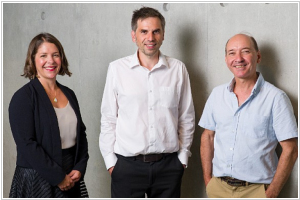
Nuclear Turbines is a spinoff of BAE Systems that develops new nuclear reactor with high-temperature turbine (instead of steam turbine), which will lead to lower energy costs. The reactor directly heats compressed air before returning it to the turbine at high temperature to generate electricity, uses novel reactor materials and bypasses the need for graphite. The high-temperature gas turbine (normally found in jet engines and gas-fired power plants) converts extremely hot air directly into power with very little energy loss.
Nuclear Turbines is a spinoff of BAE Systems that develops new nuclear reactor with high-temperature turbine (instead of steam turbine), which will lead to lower energy costs. The reactor directly heats compressed air before returning it to the turbine at high temperature to generate electricity, uses novel reactor materials and bypasses the need for graphite. The high-temperature gas turbine (normally found in jet engines and gas-fired power plants) converts extremely hot air directly into power with very little energy loss.
3
Country: France | Funding: €12M
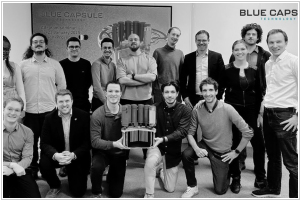
Blue Capsule develops sodium-cooled high-temperature reactor that operates at over 800 °C but its core melt is designed to be virtually impossible. This is achieved through the use of TRISO fuel operating in a naturally circulating sodium pool at atmospheric pressure. The system is cooled by ambient air, requiring no water. The Blue Capsule design delivers sufficient power for an industrial site in a compact underground installation. By producing electricity, process heat, and steam simultaneously, a single Blue Capsule unit can meet the needs of an isolated energy community, providing a reliable “energy oasis” even in the driest locations. The startup targets an industrial heat cost of around 50 €/MWh - cheaper than fossil heat price.
Blue Capsule develops sodium-cooled high-temperature reactor that operates at over 800 °C but its core melt is designed to be virtually impossible. This is achieved through the use of TRISO fuel operating in a naturally circulating sodium pool at atmospheric pressure. The system is cooled by ambient air, requiring no water. The Blue Capsule design delivers sufficient power for an industrial site in a compact underground installation. By producing electricity, process heat, and steam simultaneously, a single Blue Capsule unit can meet the needs of an isolated energy community, providing a reliable “energy oasis” even in the driest locations. The startup targets an industrial heat cost of around 50 €/MWh - cheaper than fossil heat price.
4

Country: Sweden | Funding: $57.3M
Blykalla is developing and building small modular lead-cooled fast reactor. Its design is based on 25+ years of research. It's a passively safe reactor designed for commercial power production in a highly compact format. Its fuel is never replaced during operation, which minimizes costs related to fuel management. The integrity of steel surfaces exposed to liquid lead is ensured by use of alumina forming alloys. Passive safety is ensured by removal of decay heat from the core by natural convection of the lead coolant. The startup has submitted Sweden's first application to build an advanced nuclear reactor park at Norrsundet. Together, the reactors will deliver around 330 MW of clean baseload power.
Blykalla is developing and building small modular lead-cooled fast reactor. Its design is based on 25+ years of research. It's a passively safe reactor designed for commercial power production in a highly compact format. Its fuel is never replaced during operation, which minimizes costs related to fuel management. The integrity of steel surfaces exposed to liquid lead is ensured by use of alumina forming alloys. Passive safety is ensured by removal of decay heat from the core by natural convection of the lead coolant. The startup has submitted Sweden's first application to build an advanced nuclear reactor park at Norrsundet. Together, the reactors will deliver around 330 MW of clean baseload power.
5
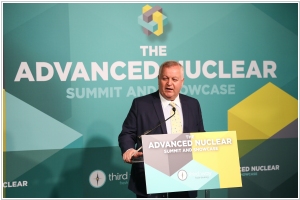
Country: USA | Funding: $1.7B
X-energy produces the Xe-100 - small modular nuclear reactor. It is a fourth-generation, 80-megawatt high-temperature gas-cooled reactor (HTGR), boasting (according to the company) high stability, efficiency, reliability and safety. The reactor can be scaled into 4-pack power plant thanks to its modular design. Its construction maximizes the use of off-the-shelf components, that can be delivered to the site using existing road and rail routes. The reactor does not rely on any active systems, electrical power or human intervention for safety, i.e. it shuts down and dissipates heat passively (as a result of the low power density). X-energy also produces TRISO-X fuel, which can withstand extreme temperatures. The company also aims to produce power systems for lunar bases.
X-energy produces the Xe-100 - small modular nuclear reactor. It is a fourth-generation, 80-megawatt high-temperature gas-cooled reactor (HTGR), boasting (according to the company) high stability, efficiency, reliability and safety. The reactor can be scaled into 4-pack power plant thanks to its modular design. Its construction maximizes the use of off-the-shelf components, that can be delivered to the site using existing road and rail routes. The reactor does not rely on any active systems, electrical power or human intervention for safety, i.e. it shuts down and dissipates heat passively (as a result of the low power density). X-energy also produces TRISO-X fuel, which can withstand extreme temperatures. The company also aims to produce power systems for lunar bases.
6

Country: Canada | Funding: $1.6B
NexGen Energy is uranium exploration and development company. Rook I, NexGen’s flagship project can produce up to 30 million pounds of uranium a year. Its state-of-the-art infrastructure designed with automation and safety at its core, supported by two vertical shafts that will transport people, materials and ore while providing fresh air to the underground workings.
NexGen Energy is uranium exploration and development company. Rook I, NexGen’s flagship project can produce up to 30 million pounds of uranium a year. Its state-of-the-art infrastructure designed with automation and safety at its core, supported by two vertical shafts that will transport people, materials and ore while providing fresh air to the underground workings.
7

Country: USA | Funding: $1.5B
TerraPower is developing compact modular nuclear reactors with a closed fuel cycle. Its goal is to make nuclear energy safer and cheaper, while also minimizing radioactive waste. It was co-founded by Bill Gates and partners with GE Hitachi Nuclear Energy. Its fast-neutron reactor Natrium has capacity up to 345 MW and includes molten salt heat storage system. Its advantage is its flexible power output, allowing it to respond to fluctuating demand when combined with renewable energy sources. To ramp quickly, it doesn’t increase or decrease the power output - the extra heat gets stored in a giant vat of molten salt. It uses liquid sodium as a coolant and highly enriched uranium (HALEU) as fuel (for now the company is experiencing supply issues). The demonstration reactor project is expected to be operational by 2030.
TerraPower is developing compact modular nuclear reactors with a closed fuel cycle. Its goal is to make nuclear energy safer and cheaper, while also minimizing radioactive waste. It was co-founded by Bill Gates and partners with GE Hitachi Nuclear Energy. Its fast-neutron reactor Natrium has capacity up to 345 MW and includes molten salt heat storage system. Its advantage is its flexible power output, allowing it to respond to fluctuating demand when combined with renewable energy sources. To ramp quickly, it doesn’t increase or decrease the power output - the extra heat gets stored in a giant vat of molten salt. It uses liquid sodium as a coolant and highly enriched uranium (HALEU) as fuel (for now the company is experiencing supply issues). The demonstration reactor project is expected to be operational by 2030.
8

Country: USA | Funding: $1.4B
Oklo is building a container-sized, continuously operating, carbon-free and emissions-free fast reactor Aurora. It uses liquid metal coolant and generates up to 75 MW, features built-in safety and can run on reprocessed nuclear waste. The reactor is self-stabilizing, self-regulating and cooled by natural forces. This means the plant is safe for personnel and the technology that enables this has been demonstrated at scale. Oklo also reprocesses nuclear fuel. The company has three project sites and the broadest regulatory support of any modern nuclear power system in the United States. OpenAI co-founder Sam Altman is the primary investor and even served as an early Oklo CEO.
Oklo is building a container-sized, continuously operating, carbon-free and emissions-free fast reactor Aurora. It uses liquid metal coolant and generates up to 75 MW, features built-in safety and can run on reprocessed nuclear waste. The reactor is self-stabilizing, self-regulating and cooled by natural forces. This means the plant is safe for personnel and the technology that enables this has been demonstrated at scale. Oklo also reprocesses nuclear fuel. The company has three project sites and the broadest regulatory support of any modern nuclear power system in the United States. OpenAI co-founder Sam Altman is the primary investor and even served as an early Oklo CEO.
9

Country: UK | Funding: $677.1M
Newcleo develops small modular reactor that uses MOX fuel technology to reprocess spent uranium from conventional nuclear power plants. The 200 MW reactor uses lead as a coolant. It's an ultra-compact module with improved energy density compared to other technologies. The company also produces FR-MOX fuel (Fast Reactors Mixed Pu-U Oxides) which consists of depleted uranium (a byproduct of the enrichment process in modern reactors) and plutonium (which is extracted from spent nuclear fuel). Thus it intends to close the fuel cycle and avoid mining. Newcleo plans to install the first 30 MW lead-cooled fast reactor in France by the end of 2033.
Newcleo develops small modular reactor that uses MOX fuel technology to reprocess spent uranium from conventional nuclear power plants. The 200 MW reactor uses lead as a coolant. It's an ultra-compact module with improved energy density compared to other technologies. The company also produces FR-MOX fuel (Fast Reactors Mixed Pu-U Oxides) which consists of depleted uranium (a byproduct of the enrichment process in modern reactors) and plutonium (which is extracted from spent nuclear fuel). Thus it intends to close the fuel cycle and avoid mining. Newcleo plans to install the first 30 MW lead-cooled fast reactor in France by the end of 2033.
10

Country: USA | Funding: $629M
Kairos Power is developing advanced FHR reactor using granular TRI-Structural ISOtropic (TRISO) fuel in pebble form. The technology uses an efficient and flexible steam cycle to convert heat from fission into electricity. Instead of water, used in traditional nuclear reactors, the Kairos Power reactor uses molten fluoride salts as coolant, which has excellent chemical stability and high heat transfer capacity at high temperatures. The reactor requires no electrical power to remove heat from the core in case of shutdown and there is no need for coolant makeup (since the coolant cannot boil off). The fuel's resistance to extremely high temperatures provides orders of magnitude greater cooling capacity in emergency scenarios compared to water-cooled reactors. The company's goal is to build the Hermes 2 Demonstration Plant (50 MW) by 2030. It also has contract with Google to power its data-centers.
Kairos Power is developing advanced FHR reactor using granular TRI-Structural ISOtropic (TRISO) fuel in pebble form. The technology uses an efficient and flexible steam cycle to convert heat from fission into electricity. Instead of water, used in traditional nuclear reactors, the Kairos Power reactor uses molten fluoride salts as coolant, which has excellent chemical stability and high heat transfer capacity at high temperatures. The reactor requires no electrical power to remove heat from the core in case of shutdown and there is no need for coolant makeup (since the coolant cannot boil off). The fuel's resistance to extremely high temperatures provides orders of magnitude greater cooling capacity in emergency scenarios compared to water-cooled reactors. The company's goal is to build the Hermes 2 Demonstration Plant (50 MW) by 2030. It also has contract with Google to power its data-centers.
11

Country: USA | Funding: $1.8M
Valar Atomics develops small modular nuclear reactors using proven high-temperature gas reactor (HTGR) technology combined with safe TRISO fuel. HTGRs are optimized to produce high-quality process heat which is used for industrial and chemical applications, providing nearby partners with affordable, abundant and clean energy. Using TRISO-coated fuel particles and helium coolant, the HTGRs passively remove decay heat without active systems or operator intervention. This design minimizes the risk of core damage even in severe accident scenarios. The company plans to mass-produce the reactors and deploy them at so-called gigasites, where they will power AI data centers, industrial facilities, and other customers.
Valar Atomics develops small modular nuclear reactors using proven high-temperature gas reactor (HTGR) technology combined with safe TRISO fuel. HTGRs are optimized to produce high-quality process heat which is used for industrial and chemical applications, providing nearby partners with affordable, abundant and clean energy. Using TRISO-coated fuel particles and helium coolant, the HTGRs passively remove decay heat without active systems or operator intervention. This design minimizes the risk of core damage even in severe accident scenarios. The company plans to mass-produce the reactors and deploy them at so-called gigasites, where they will power AI data centers, industrial facilities, and other customers.
12

Country: USA | Funding: $596M
Antares designs and builds microfission reactors for strategic energy applications, including space missions, commercial and military energy resilience. Its R1 microreactor can produce from 100 kilowatts to 1 megawatt and uses TRISO fuel, which consists of uranium spheres coated with carbon and ceramics, embedded in graphite. It's designed to run safely and autonomously for 6+ years without refueling. The company performs high-precision machining of the nuclear graphite in-house, speeding design iterations. The optimized reactor design simplifies deployment with a minimal number of actuators. The control drums, made of graphite and boron carbide, have independent actuators, inspired by the designs of historical space reactors. Antares has a manufacturing facility in California and has already tested the first electrically heated demonstration unit (EDU).
Antares designs and builds microfission reactors for strategic energy applications, including space missions, commercial and military energy resilience. Its R1 microreactor can produce from 100 kilowatts to 1 megawatt and uses TRISO fuel, which consists of uranium spheres coated with carbon and ceramics, embedded in graphite. It's designed to run safely and autonomously for 6+ years without refueling. The company performs high-precision machining of the nuclear graphite in-house, speeding design iterations. The optimized reactor design simplifies deployment with a minimal number of actuators. The control drums, made of graphite and boron carbide, have independent actuators, inspired by the designs of historical space reactors. Antares has a manufacturing facility in California and has already tested the first electrically heated demonstration unit (EDU).
13

Country: USA | Funding: $518.8M
Radiant produces a portable nuclear microreactor Kaleidos that can replace diesel generators. It is a compact nuclear reactor (1 MW) working on meltdown-resistant TRISO fuel with all the necessary equipment to generate electricity for remote villages and facilities, as well as backup power for hospitals and data centers. It requires no on-site water consumption thanks to the use of fans for air cooling. Helium conducts heat away from the core and does not become radioactive, eliminating the impact of leaks. The reactor is assembled and fueled at the factory and delivered by truck or plane. Radiant has a contract to mass-produce microreactors for US military bases.
Radiant produces a portable nuclear microreactor Kaleidos that can replace diesel generators. It is a compact nuclear reactor (1 MW) working on meltdown-resistant TRISO fuel with all the necessary equipment to generate electricity for remote villages and facilities, as well as backup power for hospitals and data centers. It requires no on-site water consumption thanks to the use of fans for air cooling. Helium conducts heat away from the core and does not become radioactive, eliminating the impact of leaks. The reactor is assembled and fueled at the factory and delivered by truck or plane. Radiant has a contract to mass-produce microreactors for US military bases.
14

Country: USA | Funding: $469.6M
NuScale Power has developed small modular reactor NPM, that was the first (during last 20 years) to receive design approval from the U.S. Nuclear Regulatory Commission. NPM design is based on proven pressurized water reactor technology and was developed to power power plants, district heating, desalination and industrial hydrogen production. The 77-megawatt reactor weighs 700 tons, allowing it to be shipped from the factory in three sections by truck, rail or barge. NuScale, in partnership with TVA and ENTRA1 Energy, is implementing a pioneering 6-GW SMR program to provide reliable, carbon-free electricity for the future of the seven-state TVA region. The company also established the Energy Research Center - an innovative educational environment offering users hands-on opportunities to apply nuclear science and engineering principles to simulated, real-world nuclear power plant scenarios.
NuScale Power has developed small modular reactor NPM, that was the first (during last 20 years) to receive design approval from the U.S. Nuclear Regulatory Commission. NPM design is based on proven pressurized water reactor technology and was developed to power power plants, district heating, desalination and industrial hydrogen production. The 77-megawatt reactor weighs 700 tons, allowing it to be shipped from the factory in three sections by truck, rail or barge. NuScale, in partnership with TVA and ENTRA1 Energy, is implementing a pioneering 6-GW SMR program to provide reliable, carbon-free electricity for the future of the seven-state TVA region. The company also established the Energy Research Center - an innovative educational environment offering users hands-on opportunities to apply nuclear science and engineering principles to simulated, real-world nuclear power plant scenarios.
15

Country: USA | Funding: $425M
Blue Energy builds nuclear power plants in shipyards because these facilities allow for the processing of large volumes of steel and the easy delivery of it to the construction site after completion. Unlike many nuclear energy startups, Blue Energy isn't developing a new reactor, but rather reimagining the nuclear plant construction process. It partners with the world’s most trusted reactor vendors like GE Vernova for reactor production. By shifting the bulk of specialized construction work to the shipyard, Blue Energy significantly reduces project costs. The reactor itself is built in a factory and delivered to the shipyard by barge. While this limits the total number of sites Blue Energy can develop, it can still use rivers to expand into the US, Europe, Africa, and Asia.
Blue Energy builds nuclear power plants in shipyards because these facilities allow for the processing of large volumes of steel and the easy delivery of it to the construction site after completion. Unlike many nuclear energy startups, Blue Energy isn't developing a new reactor, but rather reimagining the nuclear plant construction process. It partners with the world’s most trusted reactor vendors like GE Vernova for reactor production. By shifting the bulk of specialized construction work to the shipyard, Blue Energy significantly reduces project costs. The reactor itself is built in a factory and delivered to the shipyard by barge. While this limits the total number of sites Blue Energy can develop, it can still use rivers to expand into the US, Europe, Africa, and Asia.
16
Country: Canada | Funding: $256.1M
enCore Energy is a uranium developer and explorer focusing on advancing its portfolio of ISR and conventional assets.
enCore Energy is a uranium developer and explorer focusing on advancing its portfolio of ISR and conventional assets.
17

Country: USA | Funding: $186.5M
Standard Nuclear produces TRISO nuclear fuel (from uranium), which is independent of reactor type. The TRISO (TRi-structural ISOtropic) fuel concept was first developed in the 1950s. Poppy-seed-sized uranium particles are coated with ceramic and carbon. They are then packed into larger spheres. This fuel pellet design will be more resistant to meltdown. Standard Nuclear’s modular manufacturing architecture is built for flexibility, allowing it to produce diverse fuel designs on a single production line with minimal switching time and cost. Many nuclear energy startups have announced they will use TRISO in their reactors. The company's clients include Radiant Energy and Nano Nuclear Energy.
Standard Nuclear produces TRISO nuclear fuel (from uranium), which is independent of reactor type. The TRISO (TRi-structural ISOtropic) fuel concept was first developed in the 1950s. Poppy-seed-sized uranium particles are coated with ceramic and carbon. They are then packed into larger spheres. This fuel pellet design will be more resistant to meltdown. Standard Nuclear’s modular manufacturing architecture is built for flexibility, allowing it to produce diverse fuel designs on a single production line with minimal switching time and cost. Many nuclear energy startups have announced they will use TRISO in their reactors. The company's clients include Radiant Energy and Nano Nuclear Energy.
18

Country: USA | Funding: $164M
Last Energy builds small modular nuclear reactors that can be mass-produced. The company uses an older 20 MW PWR-reactor design developed by the government for a merchant ship. The reactor is designed to operate without maintenance for its entire service life. It will be delivered to site in an all-metal vessel with a six-year supply of uranium. Heat from fission reactions heats the steel and water flowing through pipes outside uses this heat to spin a steam turbine. At the end of its service life, the steel vessel will serve as a waste container, eliminating the need for separate disposal. The company hopes that this approach, combined with advances in manufacturing, will lead to lower cost of nuclear energy. It is currently building a 5-megawatt pilot reactor while the production of a 20-megawatt commercial reactor is scheduled to begin in 2028.
Last Energy builds small modular nuclear reactors that can be mass-produced. The company uses an older 20 MW PWR-reactor design developed by the government for a merchant ship. The reactor is designed to operate without maintenance for its entire service life. It will be delivered to site in an all-metal vessel with a six-year supply of uranium. Heat from fission reactions heats the steel and water flowing through pipes outside uses this heat to spin a steam turbine. At the end of its service life, the steel vessel will serve as a waste container, eliminating the need for separate disposal. The company hopes that this approach, combined with advances in manufacturing, will lead to lower cost of nuclear energy. It is currently building a 5-megawatt pilot reactor while the production of a 20-megawatt commercial reactor is scheduled to begin in 2028.
19

Country: Canada | Funding: $156.6M
Terrestrial Energy creates SMR based on molten salt fission technology. In its reactor (iMSR) uranium fuel is mixed with various salts, such as lithium fluoride or sodium fluoride, that serve to suspend the nuclear fuel and act as the reactor’s main coolant. The reactor core includes not only the fuel and graphite modulators that regulate the speed of the fission reactions, but also the heat exchangers and pumps that keep the salt cool and flowing. The startup is targeting a range of markets, including electric power, data centers, and industrial applications that require heat.
Terrestrial Energy creates SMR based on molten salt fission technology. In its reactor (iMSR) uranium fuel is mixed with various salts, such as lithium fluoride or sodium fluoride, that serve to suspend the nuclear fuel and act as the reactor’s main coolant. The reactor core includes not only the fuel and graphite modulators that regulate the speed of the fission reactions, but also the heat exchangers and pumps that keep the salt cool and flowing. The startup is targeting a range of markets, including electric power, data centers, and industrial applications that require heat.
20

Country: USA | Funding: $136M
Aalo makes small, factory-manufactured nuclear power plants for data-centers. Named Aalo Pod, it's a rapidly deployable 50 MWe power plant with five 10 MWe extra-modular reactor (XMR) reactors sharing multiple turbines. It's designed for phased maintenance and never goes offline. It's comprised of factory-manufactured standardize modules that fit on the back of the truck. The whole power plant, not just the core, is factory-built in shipping-container-sized modules. The company says: construction takes days, not years. Aalo operates vertically integrated Gigawatt factory in Austin designed to produce 1 GW reactors per year. It intends to deploy one gigawatt of nuclear capacity by 2030.
Aalo makes small, factory-manufactured nuclear power plants for data-centers. Named Aalo Pod, it's a rapidly deployable 50 MWe power plant with five 10 MWe extra-modular reactor (XMR) reactors sharing multiple turbines. It's designed for phased maintenance and never goes offline. It's comprised of factory-manufactured standardize modules that fit on the back of the truck. The whole power plant, not just the core, is factory-built in shipping-container-sized modules. The company says: construction takes days, not years. Aalo operates vertically integrated Gigawatt factory in Austin designed to produce 1 GW reactors per year. It intends to deploy one gigawatt of nuclear capacity by 2030.
21

Country: USA | Funding: $114M
Deep Fission wants to build reactors a mile underground. Thus by using the natural conditions deep under the earth’s surface it can eliminate the need for the large pressure vessels and containment structures needed in traditional pressurized water reactor designs. The startup claims this will significantly reduce costs while enhancing safety, sustainability, and operational efficiency. Its reactor is designed to use conventional low-enriched uranium fuel and an existing supply chain, sidestepping a significant source of delay and concern for other advanced reactor designs. The company is targeting use cases including AI data centers.
Deep Fission wants to build reactors a mile underground. Thus by using the natural conditions deep under the earth’s surface it can eliminate the need for the large pressure vessels and containment structures needed in traditional pressurized water reactor designs. The startup claims this will significantly reduce costs while enhancing safety, sustainability, and operational efficiency. Its reactor is designed to use conventional low-enriched uranium fuel and an existing supply chain, sidestepping a significant source of delay and concern for other advanced reactor designs. The company is targeting use cases including AI data centers.
22

Country: UK | Funding: $104.7M
CORE POWER is building ship-based nuclear energy systems for industrial and coastal applications. They are designed for deployment where consistent, high-density power is required. And company’s Propulsion systems will bring nuclear power to commercial vessels. Designed for long-duration operation and consistent performance across global routes.
CORE POWER is building ship-based nuclear energy systems for industrial and coastal applications. They are designed for deployment where consistent, high-density power is required. And company’s Propulsion systems will bring nuclear power to commercial vessels. Designed for long-duration operation and consistent performance across global routes.
23

Country: France
Calogena designs and develops water-based 30MW small modular reactor systems for district heating networks. The low-pressure, low-temperature operation, the direct use of heat and the very limited number of auxiliary systems make the concept intrinsically simpler and safer than any reactor currently in operation or planned. Calogena is a subsidiary of Gorgé industrial Group.
Calogena designs and develops water-based 30MW small modular reactor systems for district heating networks. The low-pressure, low-temperature operation, the direct use of heat and the very limited number of auxiliary systems make the concept intrinsically simpler and safer than any reactor currently in operation or planned. Calogena is a subsidiary of Gorgé industrial Group.
24

Country: Canada | Funding: $66M
ARC is a clean energy technology company developing the ARC-100, an advanced small modular reactor offering safe, reliable, and economical power. Built on the EBR-II, which ran for over 30 years at Idaho National Laboratory, the ARC-100 is factory-fabricated and modular, delivering firm baseload power ideally matched for data center and industrial users. It's a liquid sodium fast reactor that theoreticlly enables a future closed fuel cycle with 99% fuel utilization. In any loss-of-power or loss-of-cooling scenario, the reactor shuts itself down through natural physics: thermal expansion of the fuel and coolant inserts negative reactivity, and natural convection of the sodium removes decay heat indefinitely. ARC is a U.S. Department of Energy Advanced Reactor Demonstration Program awardee advancing first U.S. deployment, with additional international deployment underway in Canada and Türkiye.
ARC is a clean energy technology company developing the ARC-100, an advanced small modular reactor offering safe, reliable, and economical power. Built on the EBR-II, which ran for over 30 years at Idaho National Laboratory, the ARC-100 is factory-fabricated and modular, delivering firm baseload power ideally matched for data center and industrial users. It's a liquid sodium fast reactor that theoreticlly enables a future closed fuel cycle with 99% fuel utilization. In any loss-of-power or loss-of-cooling scenario, the reactor shuts itself down through natural physics: thermal expansion of the fuel and coolant inserts negative reactivity, and natural convection of the sodium removes decay heat indefinitely. ARC is a U.S. Department of Energy Advanced Reactor Demonstration Program awardee advancing first U.S. deployment, with additional international deployment underway in Canada and Türkiye.
25

Country: USA | Funding: $60M
Bluecore Energy builds compact, zero-emission small modular nuclear reactors on floating barges. Its aim is to provide clean power to ports and nearby infrastructure. The barges can be moved by ship to next location, reducing the emission involved in its transport to zero. The system is water-cooled in a closed-loop - it only needs to be refueled once every few years. The goal is to try to power the “equivalent of approximately 15,000 homes or scale to meet the power needs of a major port. The startup is building many layers of safety, like having the uranium clad and protected in a thick steel pressure vessel and then padded with concrete shielding and steel lining.
Bluecore Energy builds compact, zero-emission small modular nuclear reactors on floating barges. Its aim is to provide clean power to ports and nearby infrastructure. The barges can be moved by ship to next location, reducing the emission involved in its transport to zero. The system is water-cooled in a closed-loop - it only needs to be refueled once every few years. The goal is to try to power the “equivalent of approximately 15,000 homes or scale to meet the power needs of a major port. The startup is building many layers of safety, like having the uranium clad and protected in a thick steel pressure vessel and then padded with concrete shielding and steel lining.
26

Country: USA | Funding: $51M
The Nuclear Company intends to construct a fleet of nuclear power plants in the U.S. Its target markets are data centers, electrification of the transportation sector (cars, trucks), and manufacturing centers. The startup it going to use Westinghouse AP1000 sites (which are not expected to be developed by their respective utilities) and expresses a goal of building 6 GW of power over 10-15 years. The reactor's classic design is approved and licensed in the US. The firm claims its consortium of utilities and independent power producers, hyperscalers, nuclear technology suppliers, and private equity help mitigate risk and make nuclear power an attractive investment.
The Nuclear Company intends to construct a fleet of nuclear power plants in the U.S. Its target markets are data centers, electrification of the transportation sector (cars, trucks), and manufacturing centers. The startup it going to use Westinghouse AP1000 sites (which are not expected to be developed by their respective utilities) and expresses a goal of building 6 GW of power over 10-15 years. The reactor's classic design is approved and licensed in the US. The firm claims its consortium of utilities and independent power producers, hyperscalers, nuclear technology suppliers, and private equity help mitigate risk and make nuclear power an attractive investment.
27

Country: USA | Funding: $50M
General Matter intends to produce enriched uranium fuel for nuclear energy applications. The startup is planning to build the first US-owned, privately developed uranium enrichment facility in Paducah where it will concentrate the element to power nuclear reactors. According to the plan the facility will be operating before 2030.
General Matter intends to produce enriched uranium fuel for nuclear energy applications. The startup is planning to build the first US-owned, privately developed uranium enrichment facility in Paducah where it will concentrate the element to power nuclear reactors. According to the plan the facility will be operating before 2030.
28

Country: Netherlands | Funding: €42.5M
Thorizon is building a molten salt modular reactor that will use long-lived nuclear waste in combination with thorium as fue. It was founded as a spin-off from the Netherlands’ national nuclear research institute, where molten salt technology was developed quietly for decades. The reactor will use nuclear waste as fuel and provide both power and high‑temperature heat with sufficient safety. Thorizon’s patented cartridges divide the reactor core into smaller modules, unlocking the benefits of off-site series production and modular scalability. Easy to operate, move, and deploy, these cartridges make building reactors faster and more flexible than ever. The first plant construction will start in the early 2030s.
Thorizon is building a molten salt modular reactor that will use long-lived nuclear waste in combination with thorium as fue. It was founded as a spin-off from the Netherlands’ national nuclear research institute, where molten salt technology was developed quietly for decades. The reactor will use nuclear waste as fuel and provide both power and high‑temperature heat with sufficient safety. Thorizon’s patented cartridges divide the reactor core into smaller modules, unlocking the benefits of off-site series production and modular scalability. Easy to operate, move, and deploy, these cartridges make building reactors faster and more flexible than ever. The first plant construction will start in the early 2030s.
29

Country: Switzerland | Funding: $43.5M
Transmutex develops designs and software for an accelerator-powered technology that turns existing nuclear waste into clean energy and produces radioisotopes for medical and industrial applications. The technology is offered to nuclear power plant operators and includes full support from procurement to maintenance. The main idea is mixing thorium with nuclear waste and transforming it into energy (heat or as electricity) and more short-lived elements that will decay within 300 years - less time than it takes for a plastic bottle or a cigarette butt to degrade in the ocean.
Transmutex develops designs and software for an accelerator-powered technology that turns existing nuclear waste into clean energy and produces radioisotopes for medical and industrial applications. The technology is offered to nuclear power plant operators and includes full support from procurement to maintenance. The main idea is mixing thorium with nuclear waste and transforming it into energy (heat or as electricity) and more short-lived elements that will decay within 300 years - less time than it takes for a plastic bottle or a cigarette butt to degrade in the ocean.
30

Country: Denmark | Funding: $33.6M
Copenhagen Atomics is developing thorium molten salt reactor technology, with a focus on low electricity prices and fast installation. Its first test reactor (planned for 2028) and first commercial reactors (planned for 2030s) will run on 5% enriched uranium as fuel salt and thorium as blanket salt. With high enriched Li7 for optimal neutron economy, CAs reactors will have better neutron economy than any other reactor ever designed or build (according to the startup). The first reactors will not be breeder reactors, meaning that they will generate more fissile fuel than they consume. But they will have breeding ratio approaching 1. In the long term CA wishes to make thorium breeder reactors in the thermal spectrum (slow neutrons). CA has also invented the Onion Core technology, enabling a compact reactor that can be mass-manufactured efficiently while requiring only a small amount of materials.
Copenhagen Atomics is developing thorium molten salt reactor technology, with a focus on low electricity prices and fast installation. Its first test reactor (planned for 2028) and first commercial reactors (planned for 2030s) will run on 5% enriched uranium as fuel salt and thorium as blanket salt. With high enriched Li7 for optimal neutron economy, CAs reactors will have better neutron economy than any other reactor ever designed or build (according to the startup). The first reactors will not be breeder reactors, meaning that they will generate more fissile fuel than they consume. But they will have breeding ratio approaching 1. In the long term CA wishes to make thorium breeder reactors in the thermal spectrum (slow neutrons). CA has also invented the Onion Core technology, enabling a compact reactor that can be mass-manufactured efficiently while requiring only a small amount of materials.
31
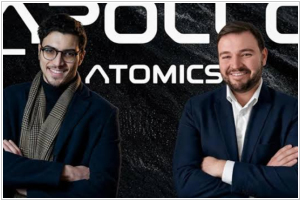
Country: USA | Funding: $31.5M
Apollo Atomics intends to create a water nuclear reactor (from 10 to 300MW) and is rethinking the way thermal energy is converted into electricity. The startup has managed to shrink the steam generator and make the whole system way more compact than any other reactor in the market. With the compactness of the generator in mind, Apollo plans on assembling the reactor and steam generator in a factory rather than on site, which is the case with nuclear power plants today. Apollo has already built a small, 40-kilowatt reactor with MIT to demonstrate the technology. It plans to deploy the first commercial power plant in 2028 and generate electricity at a rate of 3 cents per kilowatt hour.
Apollo Atomics intends to create a water nuclear reactor (from 10 to 300MW) and is rethinking the way thermal energy is converted into electricity. The startup has managed to shrink the steam generator and make the whole system way more compact than any other reactor in the market. With the compactness of the generator in mind, Apollo plans on assembling the reactor and steam generator in a factory rather than on site, which is the case with nuclear power plants today. Apollo has already built a small, 40-kilowatt reactor with MIT to demonstrate the technology. It plans to deploy the first commercial power plant in 2028 and generate electricity at a rate of 3 cents per kilowatt hour.
32
Country: Canada
Bruce Power is a nuclear power generator. The company generates almost 30 percent of Ontarios power. They have 8 active power units in operation with a total installed capacity of 6,384 MW and an annual generation capacity of 47,630 GWh of power. Bruce Power provides nuclear power to one in three homes, hospitals, schools and businesses in Ontario and medical isotopes across the globe to keep medical equipment sterilized and assist in fighting disease.
Bruce Power is a nuclear power generator. The company generates almost 30 percent of Ontarios power. They have 8 active power units in operation with a total installed capacity of 6,384 MW and an annual generation capacity of 47,630 GWh of power. Bruce Power provides nuclear power to one in three homes, hospitals, schools and businesses in Ontario and medical isotopes across the globe to keep medical equipment sterilized and assist in fighting disease.
33
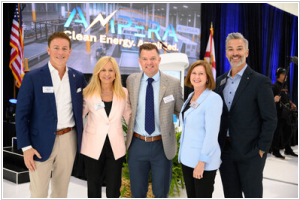
Country: USA | Funding: $30M
AMPERA develops next-generation subcritical thorium-based microreactor systems for AI data centers, that are energy dense and do not require refueling. Its nuclear module is designed to provide decades of reliable carbon-free power with exceptional energy density, safety, and longevity. The company also plans to process the raw thorium in-house at its facility in Florida and to use its proprietary jetting technology to manufacture high-quality Tri-structural Isotropic (TRISO) fuel kernels.
AMPERA develops next-generation subcritical thorium-based microreactor systems for AI data centers, that are energy dense and do not require refueling. Its nuclear module is designed to provide decades of reliable carbon-free power with exceptional energy density, safety, and longevity. The company also plans to process the raw thorium in-house at its facility in Florida and to use its proprietary jetting technology to manufacture high-quality Tri-structural Isotropic (TRISO) fuel kernels.
34

Country: Denmark | Funding: $28.4M
Saltfoss is developing a compact modular reactor based on molten fluoride salt (CMSR), installed on a floating power plant. This power plant will be able to produce up to 800 MW whenever and wherever needed, supporting variable renewable energy generation on windless, cloudy days. In the CMSR, fuel is mixed with molten fluoride salt, which also serves as a coolant. This provides significant safety advantages. Unlike conventional nuclear reactors, the Saltfoss reactor operates at near-atmospheric pressure, eliminating a wide range of accident scenarios. At the end of the 24-year fuel cycle, the fuel will be returned to the supplier, where the short-lived fission products are separated and stored.
Saltfoss is developing a compact modular reactor based on molten fluoride salt (CMSR), installed on a floating power plant. This power plant will be able to produce up to 800 MW whenever and wherever needed, supporting variable renewable energy generation on windless, cloudy days. In the CMSR, fuel is mixed with molten fluoride salt, which also serves as a coolant. This provides significant safety advantages. Unlike conventional nuclear reactors, the Saltfoss reactor operates at near-atmospheric pressure, eliminating a wide range of accident scenarios. At the end of the 24-year fuel cycle, the fuel will be returned to the supplier, where the short-lived fission products are separated and stored.
35
Country: France | Funding: €25M
Hexana is developing an energy platform combining modular sodium-cooled fast reactors and a thermal storage system. It is a subsidiary of the CEA (French Alternative Energies and Nuclear Energy Commission). The startup targets industrial consumers of high-temperature heat and decarbonized electricity on a large scale. Its power plant has the ability to store heat at high temperatures before its eventual conversion into electricity. This capability enables more flexible energy production and adaptability to fluctuating demand without relying on fossil fuels or reactor load adjustments.
Hexana is developing an energy platform combining modular sodium-cooled fast reactors and a thermal storage system. It is a subsidiary of the CEA (French Alternative Energies and Nuclear Energy Commission). The startup targets industrial consumers of high-temperature heat and decarbonized electricity on a large scale. Its power plant has the ability to store heat at high temperatures before its eventual conversion into electricity. This capability enables more flexible energy production and adaptability to fluctuating demand without relying on fossil fuels or reactor load adjustments.
36

Country: France | Funding: €19.5M
Otrera is making modern fast neutron reactor (FNR) rethinking its core design decisions to make it simple, safe, and cost-competitive. Its concept is based on a compact, modular loop-type architecture, drawing inspiration from proven LWR principles. It features three alternating reactor vessels: two in operation and one in cooling. This configuration allows for in-vessel fuel cooling, eliminating the need for separate storage pools—a major cost-saving innovation. The project is designed to reduce or even eliminate the traditional limitations of sodium technology and allows to simplify the reactor’s overall architecture, shrink the size of components and supporting infrastructure. Otrera’s modular design relies on standardized components, enabling a range of reactors from 30 to 450 MWe while significantly cutting costs and qualification timelines.
Otrera is making modern fast neutron reactor (FNR) rethinking its core design decisions to make it simple, safe, and cost-competitive. Its concept is based on a compact, modular loop-type architecture, drawing inspiration from proven LWR principles. It features three alternating reactor vessels: two in operation and one in cooling. This configuration allows for in-vessel fuel cooling, eliminating the need for separate storage pools—a major cost-saving innovation. The project is designed to reduce or even eliminate the traditional limitations of sodium technology and allows to simplify the reactor’s overall architecture, shrink the size of components and supporting infrastructure. Otrera’s modular design relies on standardized components, enabling a range of reactors from 30 to 450 MWe while significantly cutting costs and qualification timelines.
37
Country: USA | Funding: $18.1M
Clean Core Thorium Energy develops advanced nuclear fuel (ANEEL) for existing reactors and for upcoming small modular reactors. It's a thorium based fuel that allows using existing reactors unchanged. By achieving greater output within existing safety margins, ANEEL Fuel substantially reduces operating costs of existing reactors. Through high burnup fuel performance, it reduces nuclear waste generation by (according to the company) over 85% and reduces waste storage volume. By ensuring proliferation resistance using thorium in ANEEL Fuel, nuclear capacity can be deployed to nations that were previously unaddressable
Clean Core Thorium Energy develops advanced nuclear fuel (ANEEL) for existing reactors and for upcoming small modular reactors. It's a thorium based fuel that allows using existing reactors unchanged. By achieving greater output within existing safety margins, ANEEL Fuel substantially reduces operating costs of existing reactors. Through high burnup fuel performance, it reduces nuclear waste generation by (according to the company) over 85% and reduces waste storage volume. By ensuring proliferation resistance using thorium in ANEEL Fuel, nuclear capacity can be deployed to nations that were previously unaddressable
38

Country: France | Funding: €15M
Jimmy designs and operates nuclear-reactor-based thermal generators to produce and supply industrial clients with decarbonized process heat at a lower cost than fossil fuels, with a secured price over 20 years. It's nuclear reactor with no turbine, no generator and no grid connection is a 131-foot box running helium at 1,382 degrees and TRISO fuel
Jimmy designs and operates nuclear-reactor-based thermal generators to produce and supply industrial clients with decarbonized process heat at a lower cost than fossil fuels, with a secured price over 20 years. It's nuclear reactor with no turbine, no generator and no grid connection is a 131-foot box running helium at 1,382 degrees and TRISO fuel
39

Country: USA | Funding: $16M
NuCube Energy is developing a high-temperature modular microreactor designed to generate electricity and industrial heat at temperatures up to 1100 degrees Celsius. Reactor is designed to provide up to 15 MW of power for 7 to 30 years before refueling, delivered via road or rail and rapidly installed on site. The reactor design contains no moving parts and, unlike many competing microreactor concepts, utilizes the generated heat for industrial heating. Currently, the company is conducting materials testing, finalizing the design configuration, and collaborating with regulatory agencies to advance to demonstration and commercial implementation.
NuCube Energy is developing a high-temperature modular microreactor designed to generate electricity and industrial heat at temperatures up to 1100 degrees Celsius. Reactor is designed to provide up to 15 MW of power for 7 to 30 years before refueling, delivered via road or rail and rapidly installed on site. The reactor design contains no moving parts and, unlike many competing microreactor concepts, utilizes the generated heat for industrial heating. Currently, the company is conducting materials testing, finalizing the design configuration, and collaborating with regulatory agencies to advance to demonstration and commercial implementation.
40
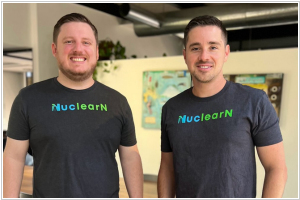
Country: USA | Funding: $13M
Nuclearn is a software company delivering AI solutions for automating nuclear industry tasks. It has developed models trained on nuclear industry-specific terminology. The startup can also train custom models for utilities and power providers that request it, and while its software runs in the cloud, it can also help reactors set up hardware on-site if their security protocols require it. The software can also generate routine documentation that reactor employees then review and sign off on. Reactor operators can set thresholds for how much gets automated depending on their level of comfort and their confidence in how well the model can tackle the problem.
Nuclearn is a software company delivering AI solutions for automating nuclear industry tasks. It has developed models trained on nuclear industry-specific terminology. The startup can also train custom models for utilities and power providers that request it, and while its software runs in the cloud, it can also help reactors set up hardware on-site if their security protocols require it. The software can also generate routine documentation that reactor employees then review and sign off on. Reactor operators can set thresholds for how much gets automated depending on their level of comfort and their confidence in how well the model can tackle the problem.
41
Country: USA | Funding: $10.3M
Applied Atomics offers to develop, build and operate medium modular nuclear fission plants from 100 MW to 1 GW. It uses proven light water reactor technology (powering most commercial nuclear plants today). It means - available fuel, dedicated supply chains, no exotic materials or unproven physics. So instead of inventing new tech, the company starts with deployment, takes high-heritage, existing technologies and focuses on how to get them financed, constructed, and operated as quickly as possible.
Applied Atomics offers to develop, build and operate medium modular nuclear fission plants from 100 MW to 1 GW. It uses proven light water reactor technology (powering most commercial nuclear plants today). It means - available fuel, dedicated supply chains, no exotic materials or unproven physics. So instead of inventing new tech, the company starts with deployment, takes high-heritage, existing technologies and focuses on how to get them financed, constructed, and operated as quickly as possible.
42

Country: Canada | Funding: CA$13.1M
Nexus is is a uranium exploration company focused on meeting growing uranium demand driven by the nuclear energy renaissance. It operates an advancing a portfolio of uranium projects in the US and Canada. The Company’s US projects are potentially amenable to in-situ recovery (ISR) mining methods.
Nexus is is a uranium exploration company focused on meeting growing uranium demand driven by the nuclear energy renaissance. It operates an advancing a portfolio of uranium projects in the US and Canada. The Company’s US projects are potentially amenable to in-situ recovery (ISR) mining methods.
43

Country: USA | Funding: $7M
Atomic Canyon uses artificial intelligence to improve efficiency and optmize operations of nuclear power plants. The company is developing Neutron, an AI search engine for searching billions of pages of nuclear documentation. Using the Nuclear Regulatory Commission (NRC) database and the world's fastest supercomputer at Oak Ridge National Laboratory (ORNL), it understands and processes nuclear terminology with unprecedented accuracy, interpreting complex documents to let executives make more informed data-driven decisions. Neutron is based on open-source AI model FERMI intended for sentence vector representations, specifically designed for nuclear data. Atomic Canyon is working in partnership with PG&E's Diablo Canyon power plant, the only remaining nuclear power plant in California.
Atomic Canyon uses artificial intelligence to improve efficiency and optmize operations of nuclear power plants. The company is developing Neutron, an AI search engine for searching billions of pages of nuclear documentation. Using the Nuclear Regulatory Commission (NRC) database and the world's fastest supercomputer at Oak Ridge National Laboratory (ORNL), it understands and processes nuclear terminology with unprecedented accuracy, interpreting complex documents to let executives make more informed data-driven decisions. Neutron is based on open-source AI model FERMI intended for sentence vector representations, specifically designed for nuclear data. Atomic Canyon is working in partnership with PG&E's Diablo Canyon power plant, the only remaining nuclear power plant in California.
44

Country: USA | Funding: $6.9M
Blue Wave AI Labs is using predictive analytics to operate nuclear reactors across the US and to help them operate as safely and efficiently as possible. By combining advanced analytics, automation, and domain expertise, the software helps organizations streamline workflows, enhance safety outcomes, and unlock operational efficiencies. The platform integrates into existing power plant workflows, from reload core design to cycle management. Its documentation tools reduce the resource strain of document-laden processes by automating mundane tasks, reducing errors, and streamlining reviews.
Blue Wave AI Labs is using predictive analytics to operate nuclear reactors across the US and to help them operate as safely and efficiently as possible. By combining advanced analytics, automation, and domain expertise, the software helps organizations streamline workflows, enhance safety outcomes, and unlock operational efficiencies. The platform integrates into existing power plant workflows, from reload core design to cycle management. Its documentation tools reduce the resource strain of document-laden processes by automating mundane tasks, reducing errors, and streamlining reviews.
45
Country: USA | Funding: $5.5M
Transatomic Power is a nuclear reactor design company offering a waste-annihilating molten salt reactor. Its fueled by uranium dissolved in a liquid salt. The fuel is not surrounded by cladding, making it possible to continuously remove the fission products that would otherwise stop the nuclear reaction. Its design uses a zirconium hydride moderator, which is much more effective at slowing down neutrons than graphite. Instead of classic lithium fluoride and beryllium fluoride salt it uses lithium fluoride – uranium fluoride salt, which can hold about 27 times as much uranium. Having more uranium in the salt, coupled with having more salt in the core, enables to maintain criticality using commercially-available low-enriched uranium (5%).
Transatomic Power is a nuclear reactor design company offering a waste-annihilating molten salt reactor. Its fueled by uranium dissolved in a liquid salt. The fuel is not surrounded by cladding, making it possible to continuously remove the fission products that would otherwise stop the nuclear reaction. Its design uses a zirconium hydride moderator, which is much more effective at slowing down neutrons than graphite. Instead of classic lithium fluoride and beryllium fluoride salt it uses lithium fluoride – uranium fluoride salt, which can hold about 27 times as much uranium. Having more uranium in the salt, coupled with having more salt in the core, enables to maintain criticality using commercially-available low-enriched uranium (5%).
46

Country: India | Funding: $3M
Hylenr develops Low Energy Nuclear Reactor (LENR, aka cold fusion) that enables nuclear interactions within engineered metal lattices that operate near controlled conditions and by using accessible materials. It works by loading hydrogen isotopes into a solid metal lattice and using targeted excitation to trigger fusion reactions at manageable scales. Energy is generated via elemental transmutation - fusion and fission of host material. The reactor emits no radiation - just heat.
Hylenr develops Low Energy Nuclear Reactor (LENR, aka cold fusion) that enables nuclear interactions within engineered metal lattices that operate near controlled conditions and by using accessible materials. It works by loading hydrogen isotopes into a solid metal lattice and using targeted excitation to trigger fusion reactions at manageable scales. Energy is generated via elemental transmutation - fusion and fission of host material. The reactor emits no radiation - just heat.
47
Country: Canada | Funding: $2.8M
Prodigy Clean Energy is advancing its Transportable Nuclear Power Plant technology as critical enabling infrastructure to deploy SMRs in remote regions. Prodigy’s TNPPs can package, transport and deploy any reactor, allowing end-users to customize facilities by gross power output and energy type. Multiple SMR modules can be packaged within the facility to reach target capacity ranging from ~5MWe to ~1GWe. After fabrication, outfitting, and transport to the deployment location, Prodigy TNPPs are secured to site-based infrastructure. The result is a completely self-sufficient nuclear generating facility rapidly commissioned and put into service.
Prodigy Clean Energy is advancing its Transportable Nuclear Power Plant technology as critical enabling infrastructure to deploy SMRs in remote regions. Prodigy’s TNPPs can package, transport and deploy any reactor, allowing end-users to customize facilities by gross power output and energy type. Multiple SMR modules can be packaged within the facility to reach target capacity ranging from ~5MWe to ~1GWe. After fabrication, outfitting, and transport to the deployment location, Prodigy TNPPs are secured to site-based infrastructure. The result is a completely self-sufficient nuclear generating facility rapidly commissioned and put into service.
48

Country: USA | Funding: $2.5M
FANCO was founded by a team of nuclear energy veterans led by Bill Stokes, who have implemented some of the most advanced nuclear projects in US history. Their 240 MW EAGL-1 reactor is a modular and reliable reactor based on proven low-pressure fast reactor technology, optimized for modern energy needs. It uses safe and environmentally friendly lead-bismuth coolant and operates in the fast neutron spectrum, extracting more energy from fuel and reducing waste for a cleaner future. The EAGL-1's optimized design eliminates the need for expensive intermediate systems and containment vessels, reduces mechanical complexity, and improves overall system reliability. That means the potential for faster deployment and dramatically lower front-end fuel cycle costs. FANCO plans to build its own Nuclear Plant Powered by Its Own Waste in Indiana by 2032.
FANCO was founded by a team of nuclear energy veterans led by Bill Stokes, who have implemented some of the most advanced nuclear projects in US history. Their 240 MW EAGL-1 reactor is a modular and reliable reactor based on proven low-pressure fast reactor technology, optimized for modern energy needs. It uses safe and environmentally friendly lead-bismuth coolant and operates in the fast neutron spectrum, extracting more energy from fuel and reducing waste for a cleaner future. The EAGL-1's optimized design eliminates the need for expensive intermediate systems and containment vessels, reduces mechanical complexity, and improves overall system reliability. That means the potential for faster deployment and dramatically lower front-end fuel cycle costs. FANCO plans to build its own Nuclear Plant Powered by Its Own Waste in Indiana by 2032.
49

Country: Latvia | Funding: €450K
Deep Space Energy is developing a new radioactive generator technology for the European space and defense industry, which will ultimately power lunar exploration. DSE's generators use radioisotopes - materials derived from nuclear waste - to generate heat through natural decay. The solution converts this heat into electrical energy, requiring five times less radioisotope fuel than thermoelectric generators currently used in space. The generator is used to back up satellite power systems, providing backup power independent of solar energy, making it critical for important military reconnaissance assets. The work is funded by government contracts and grants from the European Space Agency, NATO's DIANA program, and the Latvian government.
Deep Space Energy is developing a new radioactive generator technology for the European space and defense industry, which will ultimately power lunar exploration. DSE's generators use radioisotopes - materials derived from nuclear waste - to generate heat through natural decay. The solution converts this heat into electrical energy, requiring five times less radioisotope fuel than thermoelectric generators currently used in space. The generator is used to back up satellite power systems, providing backup power independent of solar energy, making it critical for important military reconnaissance assets. The work is funded by government contracts and grants from the European Space Agency, NATO's DIANA program, and the Latvian government.
50

Country: USA
Elysium Industries develops molten chloride salt fast reactors. This reactor is capable of providing base-load and clean power while addressing the current issues in the nuclear power industry.
Elysium Industries develops molten chloride salt fast reactors. This reactor is capable of providing base-load and clean power while addressing the current issues in the nuclear power industry.