Top 29 Nuclear Energy startups in USA
USA is a dominant world leader by number of nuclear startups. In no other country can startups receive significant funding with the expectation that they will not generate revenue for 10-15 years. And following Trump's "US Nuclear Renaissance 2025" executive orders, these startups are getting even more favorable conditions for rapid innovation and deployment.
The US government is now accelerating progress in the industry. The Department of Energy (DOE) funds R&D, testing and demonstration for startups developing SMRs. The NRC, once considered one of the most significant obstacles to nuclear startups, has now made application review cheaper, more efficient and more predictable and introduced simplified licensing.
National laboratories (primarily the Idaho National Laboratory) provide startups with experimental infrastructure for testing and demonstrating new reactors. This is particularly important: while a software startup can use cloud servers, nuclear startup cant afford to buy a site for its reactor, nuclear materials, radiation infrastructure, specialists and permits.
Another favorable factor is the huge domestic market. The US has the world's largest fleet of nuclear power plants and a large market of potential customers (primarily AI data centers, which require significant energy and can be located remotely).
The US government is now accelerating progress in the industry. The Department of Energy (DOE) funds R&D, testing and demonstration for startups developing SMRs. The NRC, once considered one of the most significant obstacles to nuclear startups, has now made application review cheaper, more efficient and more predictable and introduced simplified licensing.
National laboratories (primarily the Idaho National Laboratory) provide startups with experimental infrastructure for testing and demonstrating new reactors. This is particularly important: while a software startup can use cloud servers, nuclear startup cant afford to buy a site for its reactor, nuclear materials, radiation infrastructure, specialists and permits.
Another favorable factor is the huge domestic market. The US has the world's largest fleet of nuclear power plants and a large market of potential customers (primarily AI data centers, which require significant energy and can be located remotely).
1
Funding: $31.5M
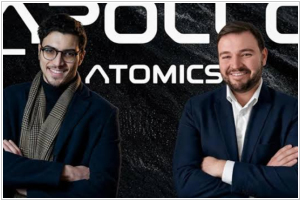
Apollo Atomics intends to create a water nuclear reactor (from 10 to 300MW) and is rethinking the way thermal energy is converted into electricity. The startup has managed to shrink the steam generator and make the whole system way more compact than any other reactor in the market. With the compactness of the generator in mind, Apollo plans on assembling the reactor and steam generator in a factory rather than on site, which is the case with nuclear power plants today. Apollo has already built a small, 40-kilowatt reactor with MIT to demonstrate the technology. It plans to deploy the first commercial power plant in 2028 and generate electricity at a rate of 3 cents per kilowatt hour.
Apollo Atomics intends to create a water nuclear reactor (from 10 to 300MW) and is rethinking the way thermal energy is converted into electricity. The startup has managed to shrink the steam generator and make the whole system way more compact than any other reactor in the market. With the compactness of the generator in mind, Apollo plans on assembling the reactor and steam generator in a factory rather than on site, which is the case with nuclear power plants today. Apollo has already built a small, 40-kilowatt reactor with MIT to demonstrate the technology. It plans to deploy the first commercial power plant in 2028 and generate electricity at a rate of 3 cents per kilowatt hour.
2
Funding: $10.3M
Applied Atomics offers to develop, build and operate medium modular nuclear fission plants from 100 MW to 1 GW. It uses proven light water reactor technology (powering most commercial nuclear plants today). It means - available fuel, dedicated supply chains, no exotic materials or unproven physics. So instead of inventing new tech, the company starts with deployment, takes high-heritage, existing technologies and focuses on how to get them financed, constructed, and operated as quickly as possible.
Applied Atomics offers to develop, build and operate medium modular nuclear fission plants from 100 MW to 1 GW. It uses proven light water reactor technology (powering most commercial nuclear plants today). It means - available fuel, dedicated supply chains, no exotic materials or unproven physics. So instead of inventing new tech, the company starts with deployment, takes high-heritage, existing technologies and focuses on how to get them financed, constructed, and operated as quickly as possible.
3

Funding: $60M
Bluecore Energy builds compact, zero-emission small modular nuclear reactors on floating barges. Its aim is to provide clean power to ports and nearby infrastructure. The barges can be moved by ship to next location, reducing the emission involved in its transport to zero. The system is water-cooled in a closed-loop - it only needs to be refueled once every few years. The goal is to try to power the “equivalent of approximately 15,000 homes or scale to meet the power needs of a major port. The startup is building many layers of safety, like having the uranium clad and protected in a thick steel pressure vessel and then padded with concrete shielding and steel lining.
Bluecore Energy builds compact, zero-emission small modular nuclear reactors on floating barges. Its aim is to provide clean power to ports and nearby infrastructure. The barges can be moved by ship to next location, reducing the emission involved in its transport to zero. The system is water-cooled in a closed-loop - it only needs to be refueled once every few years. The goal is to try to power the “equivalent of approximately 15,000 homes or scale to meet the power needs of a major port. The startup is building many layers of safety, like having the uranium clad and protected in a thick steel pressure vessel and then padded with concrete shielding and steel lining.
4
Funding: $1.7B
X-energy produces the Xe-100 - small modular nuclear reactor. It is a fourth-generation, 80-megawatt high-temperature gas-cooled reactor (HTGR), boasting (according to the company) high stability, efficiency, reliability and safety. The reactor can be scaled into 4-pack power plant thanks to its modular design. Its construction maximizes the use of off-the-shelf components, that can be delivered to the site using existing road and rail routes. The reactor does not rely on any active systems, electrical power or human intervention for safety, i.e. it shuts down and dissipates heat passively (as a result of the low power density). X-energy also produces TRISO-X fuel, which can withstand extreme temperatures. The company also aims to produce power systems for lunar bases.
X-energy produces the Xe-100 - small modular nuclear reactor. It is a fourth-generation, 80-megawatt high-temperature gas-cooled reactor (HTGR), boasting (according to the company) high stability, efficiency, reliability and safety. The reactor can be scaled into 4-pack power plant thanks to its modular design. Its construction maximizes the use of off-the-shelf components, that can be delivered to the site using existing road and rail routes. The reactor does not rely on any active systems, electrical power or human intervention for safety, i.e. it shuts down and dissipates heat passively (as a result of the low power density). X-energy also produces TRISO-X fuel, which can withstand extreme temperatures. The company also aims to produce power systems for lunar bases.
5

Funding: $1.5B
TerraPower is developing compact modular nuclear reactors with a closed fuel cycle. Its goal is to make nuclear energy safer and cheaper, while also minimizing radioactive waste. It was co-founded by Bill Gates and partners with GE Hitachi Nuclear Energy. Its fast-neutron reactor Natrium has capacity up to 345 MW and includes molten salt heat storage system. Its advantage is its flexible power output, allowing it to respond to fluctuating demand when combined with renewable energy sources. To ramp quickly, it doesn’t increase or decrease the power output - the extra heat gets stored in a giant vat of molten salt. It uses liquid sodium as a coolant and highly enriched uranium (HALEU) as fuel (for now the company is experiencing supply issues). The demonstration reactor project is expected to be operational by 2030.
TerraPower is developing compact modular nuclear reactors with a closed fuel cycle. Its goal is to make nuclear energy safer and cheaper, while also minimizing radioactive waste. It was co-founded by Bill Gates and partners with GE Hitachi Nuclear Energy. Its fast-neutron reactor Natrium has capacity up to 345 MW and includes molten salt heat storage system. Its advantage is its flexible power output, allowing it to respond to fluctuating demand when combined with renewable energy sources. To ramp quickly, it doesn’t increase or decrease the power output - the extra heat gets stored in a giant vat of molten salt. It uses liquid sodium as a coolant and highly enriched uranium (HALEU) as fuel (for now the company is experiencing supply issues). The demonstration reactor project is expected to be operational by 2030.
6

Funding: $1.4B
Oklo is building a container-sized, continuously operating, carbon-free and emissions-free fast reactor Aurora. It uses liquid metal coolant and generates up to 75 MW, features built-in safety and can run on reprocessed nuclear waste. The reactor is self-stabilizing, self-regulating and cooled by natural forces. This means the plant is safe for personnel and the technology that enables this has been demonstrated at scale. Oklo also reprocesses nuclear fuel. The company has three project sites and the broadest regulatory support of any modern nuclear power system in the United States. OpenAI co-founder Sam Altman is the primary investor and even served as an early Oklo CEO.
Oklo is building a container-sized, continuously operating, carbon-free and emissions-free fast reactor Aurora. It uses liquid metal coolant and generates up to 75 MW, features built-in safety and can run on reprocessed nuclear waste. The reactor is self-stabilizing, self-regulating and cooled by natural forces. This means the plant is safe for personnel and the technology that enables this has been demonstrated at scale. Oklo also reprocesses nuclear fuel. The company has three project sites and the broadest regulatory support of any modern nuclear power system in the United States. OpenAI co-founder Sam Altman is the primary investor and even served as an early Oklo CEO.
7

Funding: $629M
Kairos Power is developing advanced FHR reactor using granular TRI-Structural ISOtropic (TRISO) fuel in pebble form. The technology uses an efficient and flexible steam cycle to convert heat from fission into electricity. Instead of water, used in traditional nuclear reactors, the Kairos Power reactor uses molten fluoride salts as coolant, which has excellent chemical stability and high heat transfer capacity at high temperatures. The reactor requires no electrical power to remove heat from the core in case of shutdown and there is no need for coolant makeup (since the coolant cannot boil off). The fuel's resistance to extremely high temperatures provides orders of magnitude greater cooling capacity in emergency scenarios compared to water-cooled reactors. The company's goal is to build the Hermes 2 Demonstration Plant (50 MW) by 2030. It also has contract with Google to power its data-centers.
Kairos Power is developing advanced FHR reactor using granular TRI-Structural ISOtropic (TRISO) fuel in pebble form. The technology uses an efficient and flexible steam cycle to convert heat from fission into electricity. Instead of water, used in traditional nuclear reactors, the Kairos Power reactor uses molten fluoride salts as coolant, which has excellent chemical stability and high heat transfer capacity at high temperatures. The reactor requires no electrical power to remove heat from the core in case of shutdown and there is no need for coolant makeup (since the coolant cannot boil off). The fuel's resistance to extremely high temperatures provides orders of magnitude greater cooling capacity in emergency scenarios compared to water-cooled reactors. The company's goal is to build the Hermes 2 Demonstration Plant (50 MW) by 2030. It also has contract with Google to power its data-centers.
8

Funding: $1.8M
Valar Atomics develops small modular nuclear reactors using proven high-temperature gas reactor (HTGR) technology combined with safe TRISO fuel. HTGRs are optimized to produce high-quality process heat which is used for industrial and chemical applications, providing nearby partners with affordable, abundant and clean energy. Using TRISO-coated fuel particles and helium coolant, the HTGRs passively remove decay heat without active systems or operator intervention. This design minimizes the risk of core damage even in severe accident scenarios. The company plans to mass-produce the reactors and deploy them at so-called gigasites, where they will power AI data centers, industrial facilities, and other customers.
Valar Atomics develops small modular nuclear reactors using proven high-temperature gas reactor (HTGR) technology combined with safe TRISO fuel. HTGRs are optimized to produce high-quality process heat which is used for industrial and chemical applications, providing nearby partners with affordable, abundant and clean energy. Using TRISO-coated fuel particles and helium coolant, the HTGRs passively remove decay heat without active systems or operator intervention. This design minimizes the risk of core damage even in severe accident scenarios. The company plans to mass-produce the reactors and deploy them at so-called gigasites, where they will power AI data centers, industrial facilities, and other customers.
9

Funding: $596M
Antares designs and builds microfission reactors for strategic energy applications, including space missions, commercial and military energy resilience. Its R1 microreactor can produce from 100 kilowatts to 1 megawatt and uses TRISO fuel, which consists of uranium spheres coated with carbon and ceramics, embedded in graphite. It's designed to run safely and autonomously for 6+ years without refueling. The company performs high-precision machining of the nuclear graphite in-house, speeding design iterations. The optimized reactor design simplifies deployment with a minimal number of actuators. The control drums, made of graphite and boron carbide, have independent actuators, inspired by the designs of historical space reactors. Antares has a manufacturing facility in California and has already tested the first electrically heated demonstration unit (EDU).
Antares designs and builds microfission reactors for strategic energy applications, including space missions, commercial and military energy resilience. Its R1 microreactor can produce from 100 kilowatts to 1 megawatt and uses TRISO fuel, which consists of uranium spheres coated with carbon and ceramics, embedded in graphite. It's designed to run safely and autonomously for 6+ years without refueling. The company performs high-precision machining of the nuclear graphite in-house, speeding design iterations. The optimized reactor design simplifies deployment with a minimal number of actuators. The control drums, made of graphite and boron carbide, have independent actuators, inspired by the designs of historical space reactors. Antares has a manufacturing facility in California and has already tested the first electrically heated demonstration unit (EDU).
10

Funding: $518.8M
Radiant produces a portable nuclear microreactor Kaleidos that can replace diesel generators. It is a compact nuclear reactor (1 MW) working on meltdown-resistant TRISO fuel with all the necessary equipment to generate electricity for remote villages and facilities, as well as backup power for hospitals and data centers. It requires no on-site water consumption thanks to the use of fans for air cooling. Helium conducts heat away from the core and does not become radioactive, eliminating the impact of leaks. The reactor is assembled and fueled at the factory and delivered by truck or plane. Radiant has a contract to mass-produce microreactors for US military bases.
Radiant produces a portable nuclear microreactor Kaleidos that can replace diesel generators. It is a compact nuclear reactor (1 MW) working on meltdown-resistant TRISO fuel with all the necessary equipment to generate electricity for remote villages and facilities, as well as backup power for hospitals and data centers. It requires no on-site water consumption thanks to the use of fans for air cooling. Helium conducts heat away from the core and does not become radioactive, eliminating the impact of leaks. The reactor is assembled and fueled at the factory and delivered by truck or plane. Radiant has a contract to mass-produce microreactors for US military bases.
11

Funding: $469.6M
NuScale Power has developed small modular reactor NPM, that was the first (during last 20 years) to receive design approval from the U.S. Nuclear Regulatory Commission. NPM design is based on proven pressurized water reactor technology and was developed to power power plants, district heating, desalination and industrial hydrogen production. The 77-megawatt reactor weighs 700 tons, allowing it to be shipped from the factory in three sections by truck, rail or barge. NuScale, in partnership with TVA and ENTRA1 Energy, is implementing a pioneering 6-GW SMR program to provide reliable, carbon-free electricity for the future of the seven-state TVA region. The company also established the Energy Research Center - an innovative educational environment offering users hands-on opportunities to apply nuclear science and engineering principles to simulated, real-world nuclear power plant scenarios.
NuScale Power has developed small modular reactor NPM, that was the first (during last 20 years) to receive design approval from the U.S. Nuclear Regulatory Commission. NPM design is based on proven pressurized water reactor technology and was developed to power power plants, district heating, desalination and industrial hydrogen production. The 77-megawatt reactor weighs 700 tons, allowing it to be shipped from the factory in three sections by truck, rail or barge. NuScale, in partnership with TVA and ENTRA1 Energy, is implementing a pioneering 6-GW SMR program to provide reliable, carbon-free electricity for the future of the seven-state TVA region. The company also established the Energy Research Center - an innovative educational environment offering users hands-on opportunities to apply nuclear science and engineering principles to simulated, real-world nuclear power plant scenarios.
12

Funding: $425M
Blue Energy builds nuclear power plants in shipyards because these facilities allow for the processing of large volumes of steel and the easy delivery of it to the construction site after completion. Unlike many nuclear energy startups, Blue Energy isn't developing a new reactor, but rather reimagining the nuclear plant construction process. It partners with the world’s most trusted reactor vendors like GE Vernova for reactor production. By shifting the bulk of specialized construction work to the shipyard, Blue Energy significantly reduces project costs. The reactor itself is built in a factory and delivered to the shipyard by barge. While this limits the total number of sites Blue Energy can develop, it can still use rivers to expand into the US, Europe, Africa, and Asia.
Blue Energy builds nuclear power plants in shipyards because these facilities allow for the processing of large volumes of steel and the easy delivery of it to the construction site after completion. Unlike many nuclear energy startups, Blue Energy isn't developing a new reactor, but rather reimagining the nuclear plant construction process. It partners with the world’s most trusted reactor vendors like GE Vernova for reactor production. By shifting the bulk of specialized construction work to the shipyard, Blue Energy significantly reduces project costs. The reactor itself is built in a factory and delivered to the shipyard by barge. While this limits the total number of sites Blue Energy can develop, it can still use rivers to expand into the US, Europe, Africa, and Asia.
13

Funding: $186.5M
Standard Nuclear produces TRISO nuclear fuel (from uranium), which is independent of reactor type. The TRISO (TRi-structural ISOtropic) fuel concept was first developed in the 1950s. Poppy-seed-sized uranium particles are coated with ceramic and carbon. They are then packed into larger spheres. This fuel pellet design will be more resistant to meltdown. Standard Nuclear’s modular manufacturing architecture is built for flexibility, allowing it to produce diverse fuel designs on a single production line with minimal switching time and cost. Many nuclear energy startups have announced they will use TRISO in their reactors. The company's clients include Radiant Energy and Nano Nuclear Energy.
Standard Nuclear produces TRISO nuclear fuel (from uranium), which is independent of reactor type. The TRISO (TRi-structural ISOtropic) fuel concept was first developed in the 1950s. Poppy-seed-sized uranium particles are coated with ceramic and carbon. They are then packed into larger spheres. This fuel pellet design will be more resistant to meltdown. Standard Nuclear’s modular manufacturing architecture is built for flexibility, allowing it to produce diverse fuel designs on a single production line with minimal switching time and cost. Many nuclear energy startups have announced they will use TRISO in their reactors. The company's clients include Radiant Energy and Nano Nuclear Energy.
14

Funding: $164M
Last Energy builds small modular nuclear reactors that can be mass-produced. The company uses an older 20 MW PWR-reactor design developed by the government for a merchant ship. The reactor is designed to operate without maintenance for its entire service life. It will be delivered to site in an all-metal vessel with a six-year supply of uranium. Heat from fission reactions heats the steel and water flowing through pipes outside uses this heat to spin a steam turbine. At the end of its service life, the steel vessel will serve as a waste container, eliminating the need for separate disposal. The company hopes that this approach, combined with advances in manufacturing, will lead to lower cost of nuclear energy. It is currently building a 5-megawatt pilot reactor while the production of a 20-megawatt commercial reactor is scheduled to begin in 2028.
Last Energy builds small modular nuclear reactors that can be mass-produced. The company uses an older 20 MW PWR-reactor design developed by the government for a merchant ship. The reactor is designed to operate without maintenance for its entire service life. It will be delivered to site in an all-metal vessel with a six-year supply of uranium. Heat from fission reactions heats the steel and water flowing through pipes outside uses this heat to spin a steam turbine. At the end of its service life, the steel vessel will serve as a waste container, eliminating the need for separate disposal. The company hopes that this approach, combined with advances in manufacturing, will lead to lower cost of nuclear energy. It is currently building a 5-megawatt pilot reactor while the production of a 20-megawatt commercial reactor is scheduled to begin in 2028.
15

Funding: $136M
Aalo makes small, factory-manufactured nuclear power plants for data-centers. Named Aalo Pod, it's a rapidly deployable 50 MWe power plant with five 10 MWe extra-modular reactor (XMR) reactors sharing multiple turbines. It's designed for phased maintenance and never goes offline. It's comprised of factory-manufactured standardize modules that fit on the back of the truck. The whole power plant, not just the core, is factory-built in shipping-container-sized modules. The company says: construction takes days, not years. Aalo operates vertically integrated Gigawatt factory in Austin designed to produce 1 GW reactors per year. It intends to deploy one gigawatt of nuclear capacity by 2030.
Aalo makes small, factory-manufactured nuclear power plants for data-centers. Named Aalo Pod, it's a rapidly deployable 50 MWe power plant with five 10 MWe extra-modular reactor (XMR) reactors sharing multiple turbines. It's designed for phased maintenance and never goes offline. It's comprised of factory-manufactured standardize modules that fit on the back of the truck. The whole power plant, not just the core, is factory-built in shipping-container-sized modules. The company says: construction takes days, not years. Aalo operates vertically integrated Gigawatt factory in Austin designed to produce 1 GW reactors per year. It intends to deploy one gigawatt of nuclear capacity by 2030.
16

Funding: $114M
Deep Fission wants to build reactors a mile underground. Thus by using the natural conditions deep under the earth’s surface it can eliminate the need for the large pressure vessels and containment structures needed in traditional pressurized water reactor designs. The startup claims this will significantly reduce costs while enhancing safety, sustainability, and operational efficiency. Its reactor is designed to use conventional low-enriched uranium fuel and an existing supply chain, sidestepping a significant source of delay and concern for other advanced reactor designs. The company is targeting use cases including AI data centers.
Deep Fission wants to build reactors a mile underground. Thus by using the natural conditions deep under the earth’s surface it can eliminate the need for the large pressure vessels and containment structures needed in traditional pressurized water reactor designs. The startup claims this will significantly reduce costs while enhancing safety, sustainability, and operational efficiency. Its reactor is designed to use conventional low-enriched uranium fuel and an existing supply chain, sidestepping a significant source of delay and concern for other advanced reactor designs. The company is targeting use cases including AI data centers.
17

Funding: $51M
The Nuclear Company intends to construct a fleet of nuclear power plants in the U.S. Its target markets are data centers, electrification of the transportation sector (cars, trucks), and manufacturing centers. The startup it going to use Westinghouse AP1000 sites (which are not expected to be developed by their respective utilities) and expresses a goal of building 6 GW of power over 10-15 years. The reactor's classic design is approved and licensed in the US. The firm claims its consortium of utilities and independent power producers, hyperscalers, nuclear technology suppliers, and private equity help mitigate risk and make nuclear power an attractive investment.
The Nuclear Company intends to construct a fleet of nuclear power plants in the U.S. Its target markets are data centers, electrification of the transportation sector (cars, trucks), and manufacturing centers. The startup it going to use Westinghouse AP1000 sites (which are not expected to be developed by their respective utilities) and expresses a goal of building 6 GW of power over 10-15 years. The reactor's classic design is approved and licensed in the US. The firm claims its consortium of utilities and independent power producers, hyperscalers, nuclear technology suppliers, and private equity help mitigate risk and make nuclear power an attractive investment.
18

Funding: $50M
General Matter intends to produce enriched uranium fuel for nuclear energy applications. The startup is planning to build the first US-owned, privately developed uranium enrichment facility in Paducah where it will concentrate the element to power nuclear reactors. According to the plan the facility will be operating before 2030.
General Matter intends to produce enriched uranium fuel for nuclear energy applications. The startup is planning to build the first US-owned, privately developed uranium enrichment facility in Paducah where it will concentrate the element to power nuclear reactors. According to the plan the facility will be operating before 2030.
19
Funding: $30M
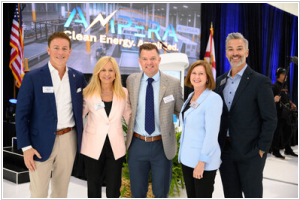
AMPERA develops next-generation subcritical thorium-based microreactor systems for AI data centers, that are energy dense and do not require refueling. Its nuclear module is designed to provide decades of reliable carbon-free power with exceptional energy density, safety, and longevity. The company also plans to process the raw thorium in-house at its facility in Florida and to use its proprietary jetting technology to manufacture high-quality Tri-structural Isotropic (TRISO) fuel kernels.
AMPERA develops next-generation subcritical thorium-based microreactor systems for AI data centers, that are energy dense and do not require refueling. Its nuclear module is designed to provide decades of reliable carbon-free power with exceptional energy density, safety, and longevity. The company also plans to process the raw thorium in-house at its facility in Florida and to use its proprietary jetting technology to manufacture high-quality Tri-structural Isotropic (TRISO) fuel kernels.
20
Funding: $18.1M
Clean Core Thorium Energy develops advanced nuclear fuel (ANEEL) for existing reactors and for upcoming small modular reactors. It's a thorium based fuel that allows using existing reactors unchanged. By achieving greater output within existing safety margins, ANEEL Fuel substantially reduces operating costs of existing reactors. Through high burnup fuel performance, it reduces nuclear waste generation by (according to the company) over 85% and reduces waste storage volume. By ensuring proliferation resistance using thorium in ANEEL Fuel, nuclear capacity can be deployed to nations that were previously unaddressable
Clean Core Thorium Energy develops advanced nuclear fuel (ANEEL) for existing reactors and for upcoming small modular reactors. It's a thorium based fuel that allows using existing reactors unchanged. By achieving greater output within existing safety margins, ANEEL Fuel substantially reduces operating costs of existing reactors. Through high burnup fuel performance, it reduces nuclear waste generation by (according to the company) over 85% and reduces waste storage volume. By ensuring proliferation resistance using thorium in ANEEL Fuel, nuclear capacity can be deployed to nations that were previously unaddressable
21

Funding: $16M
NuCube Energy is developing a high-temperature modular microreactor designed to generate electricity and industrial heat at temperatures up to 1100 degrees Celsius. Reactor is designed to provide up to 15 MW of power for 7 to 30 years before refueling, delivered via road or rail and rapidly installed on site. The reactor design contains no moving parts and, unlike many competing microreactor concepts, utilizes the generated heat for industrial heating. Currently, the company is conducting materials testing, finalizing the design configuration, and collaborating with regulatory agencies to advance to demonstration and commercial implementation.
NuCube Energy is developing a high-temperature modular microreactor designed to generate electricity and industrial heat at temperatures up to 1100 degrees Celsius. Reactor is designed to provide up to 15 MW of power for 7 to 30 years before refueling, delivered via road or rail and rapidly installed on site. The reactor design contains no moving parts and, unlike many competing microreactor concepts, utilizes the generated heat for industrial heating. Currently, the company is conducting materials testing, finalizing the design configuration, and collaborating with regulatory agencies to advance to demonstration and commercial implementation.
22
Funding: $13M
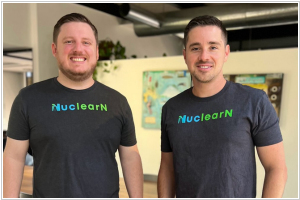
Nuclearn is a software company delivering AI solutions for automating nuclear industry tasks. It has developed models trained on nuclear industry-specific terminology. The startup can also train custom models for utilities and power providers that request it, and while its software runs in the cloud, it can also help reactors set up hardware on-site if their security protocols require it. The software can also generate routine documentation that reactor employees then review and sign off on. Reactor operators can set thresholds for how much gets automated depending on their level of comfort and their confidence in how well the model can tackle the problem.
Nuclearn is a software company delivering AI solutions for automating nuclear industry tasks. It has developed models trained on nuclear industry-specific terminology. The startup can also train custom models for utilities and power providers that request it, and while its software runs in the cloud, it can also help reactors set up hardware on-site if their security protocols require it. The software can also generate routine documentation that reactor employees then review and sign off on. Reactor operators can set thresholds for how much gets automated depending on their level of comfort and their confidence in how well the model can tackle the problem.
23

Funding: $7M
Atomic Canyon uses artificial intelligence to improve efficiency and optmize operations of nuclear power plants. The company is developing Neutron, an AI search engine for searching billions of pages of nuclear documentation. Using the Nuclear Regulatory Commission (NRC) database and the world's fastest supercomputer at Oak Ridge National Laboratory (ORNL), it understands and processes nuclear terminology with unprecedented accuracy, interpreting complex documents to let executives make more informed data-driven decisions. Neutron is based on open-source AI model FERMI intended for sentence vector representations, specifically designed for nuclear data. Atomic Canyon is working in partnership with PG&E's Diablo Canyon power plant, the only remaining nuclear power plant in California.
Atomic Canyon uses artificial intelligence to improve efficiency and optmize operations of nuclear power plants. The company is developing Neutron, an AI search engine for searching billions of pages of nuclear documentation. Using the Nuclear Regulatory Commission (NRC) database and the world's fastest supercomputer at Oak Ridge National Laboratory (ORNL), it understands and processes nuclear terminology with unprecedented accuracy, interpreting complex documents to let executives make more informed data-driven decisions. Neutron is based on open-source AI model FERMI intended for sentence vector representations, specifically designed for nuclear data. Atomic Canyon is working in partnership with PG&E's Diablo Canyon power plant, the only remaining nuclear power plant in California.
24

Funding: $6.9M
Blue Wave AI Labs is using predictive analytics to operate nuclear reactors across the US and to help them operate as safely and efficiently as possible. By combining advanced analytics, automation, and domain expertise, the software helps organizations streamline workflows, enhance safety outcomes, and unlock operational efficiencies. The platform integrates into existing power plant workflows, from reload core design to cycle management. Its documentation tools reduce the resource strain of document-laden processes by automating mundane tasks, reducing errors, and streamlining reviews.
Blue Wave AI Labs is using predictive analytics to operate nuclear reactors across the US and to help them operate as safely and efficiently as possible. By combining advanced analytics, automation, and domain expertise, the software helps organizations streamline workflows, enhance safety outcomes, and unlock operational efficiencies. The platform integrates into existing power plant workflows, from reload core design to cycle management. Its documentation tools reduce the resource strain of document-laden processes by automating mundane tasks, reducing errors, and streamlining reviews.
25
Funding: $5.5M
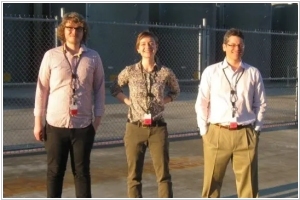
Transatomic Power is a nuclear reactor design company offering a waste-annihilating molten salt reactor. Its fueled by uranium dissolved in a liquid salt. The fuel is not surrounded by cladding, making it possible to continuously remove the fission products that would otherwise stop the nuclear reaction. Its design uses a zirconium hydride moderator, which is much more effective at slowing down neutrons than graphite. Instead of classic lithium fluoride and beryllium fluoride salt it uses lithium fluoride – uranium fluoride salt, which can hold about 27 times as much uranium. Having more uranium in the salt, coupled with having more salt in the core, enables to maintain criticality using commercially-available low-enriched uranium (5%).
Transatomic Power is a nuclear reactor design company offering a waste-annihilating molten salt reactor. Its fueled by uranium dissolved in a liquid salt. The fuel is not surrounded by cladding, making it possible to continuously remove the fission products that would otherwise stop the nuclear reaction. Its design uses a zirconium hydride moderator, which is much more effective at slowing down neutrons than graphite. Instead of classic lithium fluoride and beryllium fluoride salt it uses lithium fluoride – uranium fluoride salt, which can hold about 27 times as much uranium. Having more uranium in the salt, coupled with having more salt in the core, enables to maintain criticality using commercially-available low-enriched uranium (5%).
26

Funding: $2.5M
FANCO was founded by a team of nuclear energy veterans led by Bill Stokes, who have implemented some of the most advanced nuclear projects in US history. Their 240 MW EAGL-1 reactor is a modular and reliable reactor based on proven low-pressure fast reactor technology, optimized for modern energy needs. It uses safe and environmentally friendly lead-bismuth coolant and operates in the fast neutron spectrum, extracting more energy from fuel and reducing waste for a cleaner future. The EAGL-1's optimized design eliminates the need for expensive intermediate systems and containment vessels, reduces mechanical complexity, and improves overall system reliability. That means the potential for faster deployment and dramatically lower front-end fuel cycle costs. FANCO plans to build its own Nuclear Plant Powered by Its Own Waste in Indiana by 2032.
FANCO was founded by a team of nuclear energy veterans led by Bill Stokes, who have implemented some of the most advanced nuclear projects in US history. Their 240 MW EAGL-1 reactor is a modular and reliable reactor based on proven low-pressure fast reactor technology, optimized for modern energy needs. It uses safe and environmentally friendly lead-bismuth coolant and operates in the fast neutron spectrum, extracting more energy from fuel and reducing waste for a cleaner future. The EAGL-1's optimized design eliminates the need for expensive intermediate systems and containment vessels, reduces mechanical complexity, and improves overall system reliability. That means the potential for faster deployment and dramatically lower front-end fuel cycle costs. FANCO plans to build its own Nuclear Plant Powered by Its Own Waste in Indiana by 2032.
27

Elysium Industries develops molten chloride salt fast reactors. This reactor is capable of providing base-load and clean power while addressing the current issues in the nuclear power industry.
28

Indigo Nuclear is focused on creating an "express lane" for companies to add nuclear to their energy portfolios. The company provides staffing and operations of Small Modular Reactors for Data Centers, providing an effective outsourcing solution.
29

City Labs mission aims to validate a tritium-powered electrical source for satellites and lunar systems that could operate where solar power falls short. It already launched the first commercial demonstration of a nuclear-powered satellite technology, testing a power source that could allow future spacecraft and autonomous sensors to operate for years without relying exclusively on solar panels or conventional batteries.
Relevant news about Nuclear Energy startups in USA:
World’s first Microreactor Test Bed is now open for nuclear startups
08.04.2026
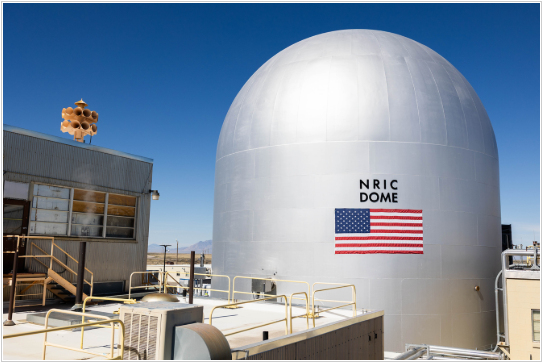
At its Idaho National Laboratory NRIC has completed the construction of the Demonstration of Microreactor Experiments test site (DOME). It is a first-of-its-kind facility that will enable the rapid development, testing, and demonstration of advanced nuclear microreactors developed by private companies. It is a veritable dome, 100 feet tall and 80 feet in diameter that provides a safe environment for testing experimental reactor concepts (that generate up to 20 megawatts of thermal energy) and collecting performance data that can be used to prepare future commercial licensing applications. Microreactors are compact nuclear reactors typically capable of producing up to 20 megawatts of thermal energy, which can be used directly as heat or converted into electrical energy.
Trump issued "US Nuclear Renaissance" executive orders
23.05.2025
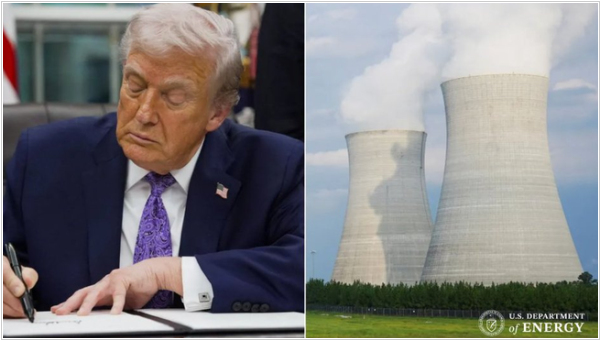
President Trump has issued four executive orders to revitalize the U.S. nuclear energy industry, which has been essentially paused for the past 30 years. The goal is to expand American nuclear capacity from approximately 100 GW to 400 GW by 2050. The orders intend to expedite licensing, allow faster testing of new reactors and facilitate construction on federal lands. The orders call for accelerated deployment of SMRs, microreactors, and other advanced reactors. Specifically, the DOE must open its sites to private developers and launch the first such reactor at a DOE site within 30 months. NRC should radically accelerate licensing of new reactors (no more than 18 months) and provide simplified path for technologies already proven by the DOE or DOD before. Another order calls for the expansion of U.S. nuclear fuel production, uranium enrichment, and HALEU.
DOE Launches Large-Scale SMR Funding
13.10.2020
The U.S. Department of Energy has selected two U.S.-based teams to receive $160 million in initial funding under the new Advanced Reactor Demonstration Program, intended to help domestic private industry demonstrate advanced nuclear reactors. And if everything goes according to plan, DOE will invest a total of $3.2 billion over seven years. These two companies are TerraPower and X-energy - they'll get $80 million each to build two advanced nuclear reactors that can be operational within seven years. Specifically, TerraPower will build a sodium‐cooled fast reactor coupled with thermal energy storage. X-energy will deliver a four-unit nuclear power plant based on its Xe-100 reactor design. The Xe-100 is a high-temperature gas-cooled reactor that is ideally suited to provide flexible electricity output as well as process heat for a wide range of industrial heat applications, such as desalination and hydrogen production.
★
See also: