1

Country: France | Funding: €33M
Stellaria is looking to develop an energy system based on the molten chloride fast reactor (MCFR) technology. It's a liquid-core 250 MWe reactor capable of renewing 100% of its fuel during operation, incinerating long-lived high-level waste and achieving revolutionary levels of intrinsic safety. Its low-pressure operation ensures maximum safety. Installing the reactor several metres underground provides failproof protection against earthquakes and overhead winds. Reactor power self-adapts to demand: under the effect of heat, the liquid fuel expands, slowing down the reaction. The reactor produces both electricity and heat. The startup says they developed one of the most efficient turbines on the market that reaches 45% efficiency.
Stellaria is looking to develop an energy system based on the molten chloride fast reactor (MCFR) technology. It's a liquid-core 250 MWe reactor capable of renewing 100% of its fuel during operation, incinerating long-lived high-level waste and achieving revolutionary levels of intrinsic safety. Its low-pressure operation ensures maximum safety. Installing the reactor several metres underground provides failproof protection against earthquakes and overhead winds. Reactor power self-adapts to demand: under the effect of heat, the liquid fuel expands, slowing down the reaction. The reactor produces both electricity and heat. The startup says they developed one of the most efficient turbines on the market that reaches 45% efficiency.
2

Country: Sweden | Funding: $57.3M
Blykalla is developing and building small modular lead-cooled fast reactor. Its design is based on 25+ years of research. It's a passively safe reactor designed for commercial power production in a highly compact format. Its fuel is never replaced during operation, which minimizes costs related to fuel management. The integrity of steel surfaces exposed to liquid lead is ensured by use of alumina forming alloys. Passive safety is ensured by removal of decay heat from the core by natural convection of the lead coolant. The startup has submitted Sweden's first application to build an advanced nuclear reactor park at Norrsundet. Together, the reactors will deliver around 330 MW of clean baseload power.
Blykalla is developing and building small modular lead-cooled fast reactor. Its design is based on 25+ years of research. It's a passively safe reactor designed for commercial power production in a highly compact format. Its fuel is never replaced during operation, which minimizes costs related to fuel management. The integrity of steel surfaces exposed to liquid lead is ensured by use of alumina forming alloys. Passive safety is ensured by removal of decay heat from the core by natural convection of the lead coolant. The startup has submitted Sweden's first application to build an advanced nuclear reactor park at Norrsundet. Together, the reactors will deliver around 330 MW of clean baseload power.
3

Country: USA | Funding: $1.5B
TerraPower is developing compact modular nuclear reactors with a closed fuel cycle. Its goal is to make nuclear energy safer and cheaper, while also minimizing radioactive waste. It was co-founded by Bill Gates and partners with GE Hitachi Nuclear Energy. Its fast-neutron reactor Natrium has capacity up to 345 MW and includes molten salt heat storage system. Its advantage is its flexible power output, allowing it to respond to fluctuating demand when combined with renewable energy sources. To ramp quickly, it doesn’t increase or decrease the power output - the extra heat gets stored in a giant vat of molten salt. It uses liquid sodium as a coolant and highly enriched uranium (HALEU) as fuel (for now the company is experiencing supply issues). The demonstration reactor project is expected to be operational by 2030.
TerraPower is developing compact modular nuclear reactors with a closed fuel cycle. Its goal is to make nuclear energy safer and cheaper, while also minimizing radioactive waste. It was co-founded by Bill Gates and partners with GE Hitachi Nuclear Energy. Its fast-neutron reactor Natrium has capacity up to 345 MW and includes molten salt heat storage system. Its advantage is its flexible power output, allowing it to respond to fluctuating demand when combined with renewable energy sources. To ramp quickly, it doesn’t increase or decrease the power output - the extra heat gets stored in a giant vat of molten salt. It uses liquid sodium as a coolant and highly enriched uranium (HALEU) as fuel (for now the company is experiencing supply issues). The demonstration reactor project is expected to be operational by 2030.
4

Country: USA | Funding: $1.4B
Oklo is building a container-sized, continuously operating, carbon-free and emissions-free fast reactor Aurora. It uses liquid metal coolant and generates up to 75 MW, features built-in safety and can run on reprocessed nuclear waste. The reactor is self-stabilizing, self-regulating and cooled by natural forces. This means the plant is safe for personnel and the technology that enables this has been demonstrated at scale. Oklo also reprocesses nuclear fuel. The company has three project sites and the broadest regulatory support of any modern nuclear power system in the United States. OpenAI co-founder Sam Altman is the primary investor and even served as an early Oklo CEO.
Oklo is building a container-sized, continuously operating, carbon-free and emissions-free fast reactor Aurora. It uses liquid metal coolant and generates up to 75 MW, features built-in safety and can run on reprocessed nuclear waste. The reactor is self-stabilizing, self-regulating and cooled by natural forces. This means the plant is safe for personnel and the technology that enables this has been demonstrated at scale. Oklo also reprocesses nuclear fuel. The company has three project sites and the broadest regulatory support of any modern nuclear power system in the United States. OpenAI co-founder Sam Altman is the primary investor and even served as an early Oklo CEO.
5

Country: UK | Funding: $677.1M
Newcleo develops small modular reactor that uses MOX fuel technology to reprocess spent uranium from conventional nuclear power plants. The 200 MW reactor uses lead as a coolant. It's an ultra-compact module with improved energy density compared to other technologies. The company also produces FR-MOX fuel (Fast Reactors Mixed Pu-U Oxides) which consists of depleted uranium (a byproduct of the enrichment process in modern reactors) and plutonium (which is extracted from spent nuclear fuel). Thus it intends to close the fuel cycle and avoid mining. Newcleo plans to install the first 30 MW lead-cooled fast reactor in France by the end of 2033.
Newcleo develops small modular reactor that uses MOX fuel technology to reprocess spent uranium from conventional nuclear power plants. The 200 MW reactor uses lead as a coolant. It's an ultra-compact module with improved energy density compared to other technologies. The company also produces FR-MOX fuel (Fast Reactors Mixed Pu-U Oxides) which consists of depleted uranium (a byproduct of the enrichment process in modern reactors) and plutonium (which is extracted from spent nuclear fuel). Thus it intends to close the fuel cycle and avoid mining. Newcleo plans to install the first 30 MW lead-cooled fast reactor in France by the end of 2033.
6

Country: Canada | Funding: $66M
ARC is a clean energy technology company developing the ARC-100, an advanced small modular reactor offering safe, reliable, and economical power. Built on the EBR-II, which ran for over 30 years at Idaho National Laboratory, the ARC-100 is factory-fabricated and modular, delivering firm baseload power ideally matched for data center and industrial users. It's a liquid sodium fast reactor that theoreticlly enables a future closed fuel cycle with 99% fuel utilization. In any loss-of-power or loss-of-cooling scenario, the reactor shuts itself down through natural physics: thermal expansion of the fuel and coolant inserts negative reactivity, and natural convection of the sodium removes decay heat indefinitely. ARC is a U.S. Department of Energy Advanced Reactor Demonstration Program awardee advancing first U.S. deployment, with additional international deployment underway in Canada and Türkiye.
ARC is a clean energy technology company developing the ARC-100, an advanced small modular reactor offering safe, reliable, and economical power. Built on the EBR-II, which ran for over 30 years at Idaho National Laboratory, the ARC-100 is factory-fabricated and modular, delivering firm baseload power ideally matched for data center and industrial users. It's a liquid sodium fast reactor that theoreticlly enables a future closed fuel cycle with 99% fuel utilization. In any loss-of-power or loss-of-cooling scenario, the reactor shuts itself down through natural physics: thermal expansion of the fuel and coolant inserts negative reactivity, and natural convection of the sodium removes decay heat indefinitely. ARC is a U.S. Department of Energy Advanced Reactor Demonstration Program awardee advancing first U.S. deployment, with additional international deployment underway in Canada and Türkiye.
7
Country: France | Funding: €25M
Hexana is developing an energy platform combining modular sodium-cooled fast reactors and a thermal storage system. It is a subsidiary of the CEA (French Alternative Energies and Nuclear Energy Commission). The startup targets industrial consumers of high-temperature heat and decarbonized electricity on a large scale. Its power plant has the ability to store heat at high temperatures before its eventual conversion into electricity. This capability enables more flexible energy production and adaptability to fluctuating demand without relying on fossil fuels or reactor load adjustments.
Hexana is developing an energy platform combining modular sodium-cooled fast reactors and a thermal storage system. It is a subsidiary of the CEA (French Alternative Energies and Nuclear Energy Commission). The startup targets industrial consumers of high-temperature heat and decarbonized electricity on a large scale. Its power plant has the ability to store heat at high temperatures before its eventual conversion into electricity. This capability enables more flexible energy production and adaptability to fluctuating demand without relying on fossil fuels or reactor load adjustments.
8
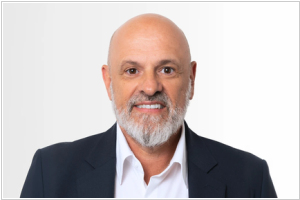
Country: France | Funding: €19.5M
Otrera is making modern fast neutron reactor (FNR) rethinking its core design decisions to make it simple, safe, and cost-competitive. Its concept is based on a compact, modular loop-type architecture, drawing inspiration from proven LWR principles. It features three alternating reactor vessels: two in operation and one in cooling. This configuration allows for in-vessel fuel cooling, eliminating the need for separate storage pools—a major cost-saving innovation. The project is designed to reduce or even eliminate the traditional limitations of sodium technology and allows to simplify the reactor’s overall architecture, shrink the size of components and supporting infrastructure. Otrera’s modular design relies on standardized components, enabling a range of reactors from 30 to 450 MWe while significantly cutting costs and qualification timelines.
Otrera is making modern fast neutron reactor (FNR) rethinking its core design decisions to make it simple, safe, and cost-competitive. Its concept is based on a compact, modular loop-type architecture, drawing inspiration from proven LWR principles. It features three alternating reactor vessels: two in operation and one in cooling. This configuration allows for in-vessel fuel cooling, eliminating the need for separate storage pools—a major cost-saving innovation. The project is designed to reduce or even eliminate the traditional limitations of sodium technology and allows to simplify the reactor’s overall architecture, shrink the size of components and supporting infrastructure. Otrera’s modular design relies on standardized components, enabling a range of reactors from 30 to 450 MWe while significantly cutting costs and qualification timelines.
9

Country: USA | Funding: $2.5M
FANCO was founded by a team of nuclear energy veterans led by Bill Stokes, who have implemented some of the most advanced nuclear projects in US history. Their 240 MW EAGL-1 reactor is a modular and reliable reactor based on proven low-pressure fast reactor technology, optimized for modern energy needs. It uses safe and environmentally friendly lead-bismuth coolant and operates in the fast neutron spectrum, extracting more energy from fuel and reducing waste for a cleaner future. The EAGL-1's optimized design eliminates the need for expensive intermediate systems and containment vessels, reduces mechanical complexity, and improves overall system reliability. That means the potential for faster deployment and dramatically lower front-end fuel cycle costs. FANCO plans to build its own Nuclear Plant Powered by Its Own Waste in Indiana by 2032.
FANCO was founded by a team of nuclear energy veterans led by Bill Stokes, who have implemented some of the most advanced nuclear projects in US history. Their 240 MW EAGL-1 reactor is a modular and reliable reactor based on proven low-pressure fast reactor technology, optimized for modern energy needs. It uses safe and environmentally friendly lead-bismuth coolant and operates in the fast neutron spectrum, extracting more energy from fuel and reducing waste for a cleaner future. The EAGL-1's optimized design eliminates the need for expensive intermediate systems and containment vessels, reduces mechanical complexity, and improves overall system reliability. That means the potential for faster deployment and dramatically lower front-end fuel cycle costs. FANCO plans to build its own Nuclear Plant Powered by Its Own Waste in Indiana by 2032.